Why Is Korean Skincare So Popular in America?
Walk into a beauty store in the United States today, browse skincare videos on TikTok, or search for a new moisturizer online, and you will probably encounter Korean skincare within minutes.
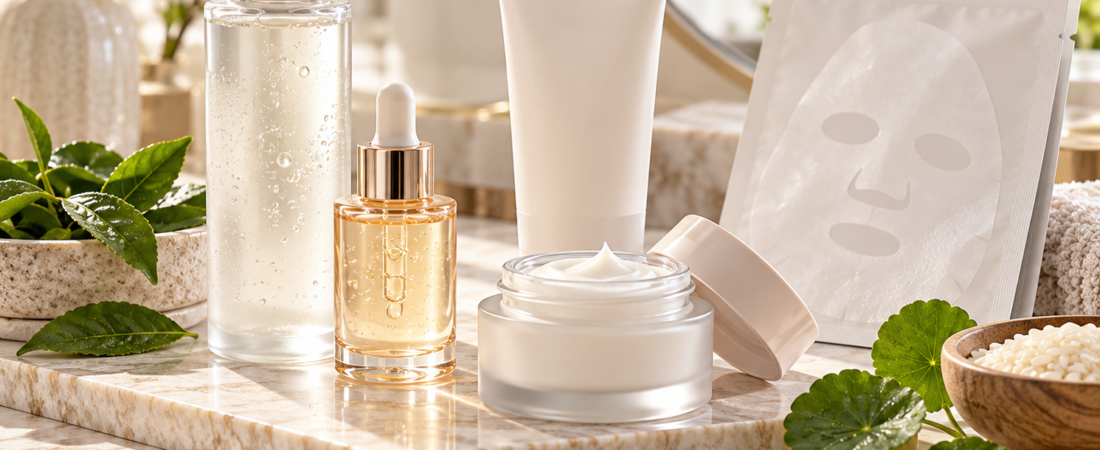
Products featuring snail mucin, centella asiatica, rice extract, gentle cleansing oils, hydrating essences, sheet masks, and lightweight sunscreens have moved far beyond niche beauty communities. Korean beauty brands are now visible in major American retailers, social media feeds, online marketplaces, and everyday skincare routines.
So, why is Korean skincare so popular in America?
The answer is bigger than trendy packaging or K-pop influence. Korean skincare has attracted American consumers because it combines innovative formulas, enjoyable textures, accessible prices, ingredient-focused marketing, and a philosophy that emphasizes consistent skin care rather than simply covering imperfections.
Recent retail data shows that this interest is not slowing down. According to Circana, K-beauty brands in U.S. prestige retail grew 23% in dollar sales during the first quarter of 2026, while Korean skincare in mass retail grew even faster.
Here is a closer look at why Korean skincare has become such a powerful part of the American beauty market.
What Is Korean Skincare?
Korean skincare, often called K-beauty, refers broadly to skincare products, ingredients, routines, and beauty philosophies associated with South Korea.
It does not refer to one specific routine or brand.
Korean skincare may include products such as:
- Cleansing oils
- Gentle water-based cleansers
- Toners
- Essences
- Serums and ampoules
- Sheet masks
- Moisturizers
- Eye creams
- Sleeping masks
- Sunscreens
Americans sometimes associate Korean skincare with the famous “10-step skincare routine.” However, modern Korean skincare does not necessarily require ten products.
The more important idea is layering products according to your skin’s needs.
Someone with dry skin might focus on toner, serum, and moisturizer, while another person may use only cleanser, moisturizer, and sunscreen.
This flexibility is one reason K-beauty has been able to appeal to such a wide range of American consumers.
1. Korean Skincare Focuses on Prevention and Daily Care
One major reason Korean skincare is popular in America is its emphasis on maintaining healthy-looking skin over time.
Traditional beauty marketing often focused heavily on correcting visible problems.
Acne appears? Buy an acne treatment.
Wrinkles appear? Buy an anti-aging cream.
Dry skin appears? Use a heavier moisturizer.
Korean skincare popularized a slightly different philosophy: take care of the skin consistently before problems become more noticeable.
That means paying attention to cleansing, hydration, moisture, sun protection, and the skin barrier every day.
This approach has become particularly attractive to younger American consumers who are beginning skincare routines earlier than previous generations.
Instead of thinking of skincare as something to start after visible aging begins, many consumers now consider it an everyday wellness habit similar to brushing their teeth or taking care of their hair.
2. Hydration Is at the Center of K-Beauty
Another important difference is the emphasis on hydration.
Many Korean beauty products are designed around multiple lightweight layers rather than one thick product.
For example, a routine could include:
- Hydrating toner
- Essence
- Serum
- Lightweight moisturizer
Each layer adds moisture without necessarily making the skin feel heavy or greasy.
This approach helped popularize the expression “glass skin,” referring to skin that looks smooth, hydrated, luminous, and almost reflective.
Of course, real human skin has pores, texture, and imperfections. Glass skin should be understood as a beauty trend rather than a realistic requirement.
Still, the popularity of the look encouraged consumers to focus more on hydration and skin condition instead of relying only on makeup.
For Americans dealing with dry climates, indoor heating, air conditioning, or seasonal changes, lightweight hydrating products can also feel practical and comfortable.
3. Korean Beauty Brands Are Known for Interesting Ingredients
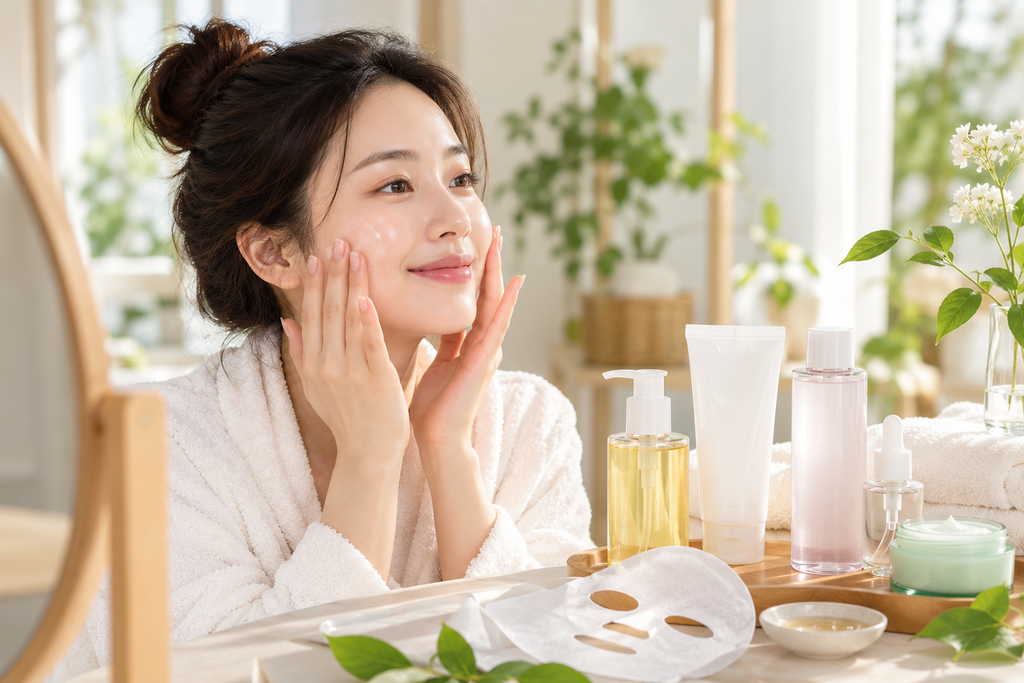
Ingredients are a huge part of the appeal.
Korean skincare introduced many American consumers to ingredients that were previously unfamiliar to mainstream U.S. shoppers.
Examples include:
Snail Mucin
Snail mucin became one of the most talked-about K-beauty ingredients in the United States.
Although the idea initially sounds unusual to many consumers, snail secretion filtrate is commonly included in moisturizing and skin-conditioning formulations.
Its unusual origin also made it highly shareable on social media.
A consumer might see a viral video about a “snail serum,” become curious, read reviews, and decide to try Korean skincare for the first time.
Centella Asiatica
Centella asiatica, often called cica, is another ingredient frequently associated with Korean skincare.
It appears in toners, creams, serums, masks, and other products marketed toward consumers who prefer soothing, gentle-feeling skincare.
Rice Extract
Rice has a long history in Asian food and beauty traditions.
Modern Korean brands use rice-derived ingredients in cleansers, masks, toners, essences, and creams.
The combination of traditional inspiration and modern formulation gives these products an appealing story.
Green Tea
Green tea appears in many Korean formulas, particularly hydrating and lightweight products.
American consumers already recognize green tea as a familiar ingredient, making these products relatively easy to understand.
Fermented Ingredients
Some Korean beauty products also use fermented extracts.
Fermentation has become an important part of ingredient storytelling because it connects traditional processes with modern cosmetic formulation.
The important point is not that an ingredient is automatically better because it is Korean or unusual. Product formulation, concentration, compatibility, and individual skin response all matter.
However, ingredient innovation gives consumers something new to discover.
4. The Textures Feel Different
One of the easiest ways to understand the popularity of Korean skincare is simply to use it.
Many products are designed to feel pleasant.
Instead of only heavy creams, K-beauty offers:
- Gel creams
- Watery essences
- Milky toners
- Lightweight serums
- Cleansing balms
- Sleeping packs
- Hydrogel masks
- Cushion-like creams
The sensory experience matters more than people sometimes realize.
If a moisturizer feels sticky or uncomfortable, a consumer may stop using it.
If a product absorbs easily, layers well under makeup, and feels refreshing, the person may be more likely to use it consistently.
This is particularly important in skincare because regular use often matters more than owning a complicated collection of products.
5. Korean Skincare Often Offers Good Value for the Price
Price is another major reason Korean skincare became popular in America.
A consumer can often find a Korean toner, serum, or moisturizer at an accessible mid-range price while still receiving attractive packaging and sophisticated textures.
That has helped K-beauty occupy an appealing position between extremely inexpensive basic skincare and luxury beauty products.
You do not necessarily need a $100 serum to explore Korean skincare.
There are products at many price points.
This makes K-beauty especially attractive to students, young adults, first-time skincare buyers, and consumers who enjoy experimenting with different products without committing to luxury prices.
The combination of innovation + packaging + affordability has been particularly powerful.
6. Social Media Turned Korean Skincare Into a Global Trend
It is difficult to discuss Korean skincare in America without discussing social media.
TikTok, Instagram, YouTube, and beauty communities have played enormous roles in introducing K-beauty products to American shoppers.
A product can go from relatively unknown to constantly sold out after several viral videos.
Some of the most shareable K-beauty content includes:
- Before-and-after routines
- Glass-skin tutorials
- Sheet-mask videos
- Snail mucin demonstrations
- Cleansing balm transformations
- Korean sunscreen reviews
- Beauty shopping videos from Seoul
- Olive Young shopping hauls
According to Circana, seven of the top ten skincare brands on TikTok in its 2026 analysis were of Korean heritage, highlighting how strongly K-beauty is connected with social-media discovery.
Unlike traditional beauty advertising, social media allows consumers to watch ordinary people apply products in real time.
They can see the texture.
They can see how the product absorbs.
They can read hundreds of comments.
They can compare experiences from people with different skin types.
That creates curiosity much faster than a traditional magazine advertisement.
7. K-Pop and Korean Dramas Increased Interest in Korean Beauty
The global popularity of Korean entertainment also helped Korean skincare become more familiar to Americans.
K-pop groups, Korean dramas, Korean movies, Korean fashion, Korean food, and Korean travel content have introduced millions of people to contemporary Korean culture.
Someone might first become interested in Korea through BTS, BLACKPINK, a Netflix K-drama, Korean barbecue, or a trip to Seoul.
Beauty often becomes part of that curiosity.
Viewers notice the makeup styles and glowing complexions of Korean actors and singers. They then search for terms such as:
“How do Koreans take care of their skin?”
“What skincare products do Koreans use?”
“What is the Korean skincare routine?”
“What is glass skin?”
Those searches introduce consumers to K-beauty brands and products.
However, Korean skincare’s American success cannot be explained by Korean entertainment alone. Cultural interest may introduce people to K-beauty, but product experience, price, accessibility, and innovation help keep them interested.
8. Shopping for Korean Skincare in America Has Become Much Easier
Years ago, buying authentic Korean skincare in the United States could be inconvenient.
Consumers often had to order products from specialized international websites and wait for overseas shipping.
That has changed dramatically.
Today, Korean beauty products are increasingly visible through American beauty retailers, department stores, specialty stores, Korean supermarkets, brand websites, and online retailers.
This accessibility removes one of the biggest barriers to adoption.
A shopper no longer needs to be a K-beauty expert.
Someone may simply walk through a beauty aisle, recognize a viral Korean product, and decide to try it.
Once Korean brands appear alongside familiar American and European brands, K-beauty stops feeling like a specialty category and becomes another mainstream skincare option.
9. Packaging Makes Skincare Feel Enjoyable
Packaging may seem superficial, but it plays a major role in beauty buying decisions.
Korean beauty brands have historically been willing to experiment with packaging.
Some products feel minimal and clinical.
Others feel elegant.
Others are playful, colorful, cute, or futuristic.
That variety helps brands develop memorable identities.
More importantly, Korean skincare often turns an ordinary routine into an experience.
Opening a beautiful jar, applying a silky essence, using a sheet mask, or layering a sleeping pack can feel relaxing.
That emotional component should not be underestimated.
People do not purchase skincare only because they need moisturizer.
Sometimes they purchase it because the routine itself feels comforting.
10. Korean Skincare Makes Experimenting Fun
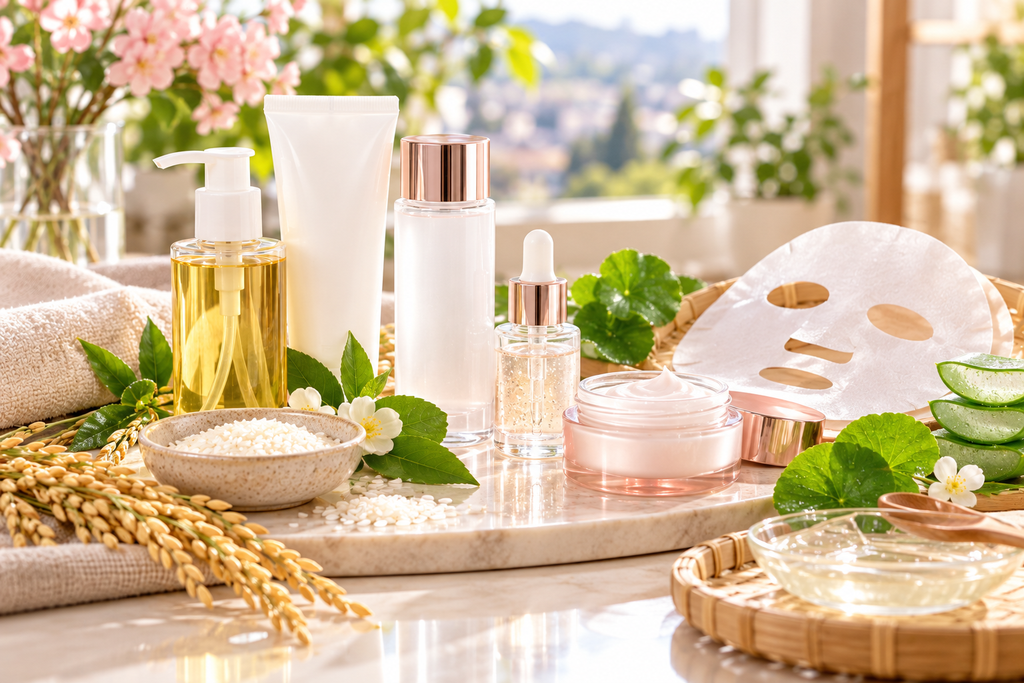
American skincare was once relatively straightforward for many consumers:
Cleanser.
Moisturizer.
Maybe acne treatment.
Korean skincare introduced an enormous variety of additional categories.
What exactly is an essence?
What is an ampoule?
Why use a cleansing oil before a water cleanser?
What is a sleeping mask?
What is a milky toner?
That discovery process makes skincare interesting.
People enjoy learning about new ingredients and products.
Beauty creators can constantly produce new content because there is always another product type, ingredient, or routine to explore.
This cycle of discovery helps keep K-beauty visible.
11. Korean Skincare Fits the Skin-Barrier Trend
One of the biggest changes in modern skincare culture has been increased attention to the skin barrier.
Instead of aggressively exfoliating or drying out the skin, many consumers now look for routines that feel gentler and more supportive.
Products featuring ceramides, moisturizers, soothing ingredients, and hydrating layers fit naturally into this trend.
Korean skincare was already strongly associated with hydration and gentle layering, so many K-beauty brands were well positioned when American consumers began focusing more heavily on barrier-friendly routines.
This does not mean every Korean product is gentle.
Korean products can contain fragrances, exfoliating ingredients, active ingredients, or other components that may not suit every individual.
The country of origin does not guarantee compatibility.
Reading the ingredient list and introducing new products gradually remains important.
12. Korean Sunscreens Created Huge Curiosity
Sunscreen is another major part of the K-beauty conversation.
Many American skincare enthusiasts discovered Korean sunscreens because online reviewers praised their lightweight textures and comfortable everyday wear.
However, there is an important regulatory difference American consumers should understand.
In the United States, sunscreen products are regulated as over-the-counter drugs rather than ordinary cosmetics. The FDA notes that imported cosmetics must follow applicable U.S. requirements, while sunscreen products marketed in the United States must comply with U.S. sunscreen drug regulations.
The American sunscreen landscape is also changing.
In June 2026, the FDA added bemotrizinol as a permitted sunscreen active ingredient, the first new sunscreen active ingredient added to the U.S. OTC sunscreen framework in decades.
That development could eventually narrow some of the formulation differences consumers have noticed between U.S. and overseas sunscreens.
For shoppers, the practical lesson is simple: do not assume a sunscreen sold overseas is regulated in exactly the same way as a sunscreen legally marketed in the United States.
Is Korean Skincare Actually Better Than American Skincare?
Not necessarily.
It is more accurate to say that Korean and American skincare markets have influenced each other.
Korean brands have helped popularize:
- Essences
- Double cleansing
- Lightweight hydration
- Sheet masks
- Cushion products
- Skin-barrier care
- Innovative textures
At the same time, American brands have become increasingly sophisticated with ingredients, formulation, clinical testing, and product variety.
Today, the line between “Korean skincare” and “Western skincare” is becoming less obvious.
American brands adopt Korean-inspired ideas.
Korean brands adapt products for international consumers.
Global beauty companies collaborate across markets.
The best skincare product is not automatically Korean, American, French, or Japanese.
It is the product that works well for your skin, budget, lifestyle, and preferences.
Do You Need a 10-Step Korean Skincare Routine?
No.
This is one of the biggest misconceptions about K-beauty.
You do not need ten products every morning and evening.
A simple routine may be enough:
Morning
1. Gentle cleanser or rinse
Remove excess oil without making the skin feel uncomfortable.
2. Moisturizer
Choose a texture that fits your skin type.
3. Sunscreen
Use appropriate sun protection as the final skincare step.
Evening
1. Makeup remover or cleansing oil
Useful when wearing makeup or water-resistant products.
2. Gentle cleanser
Remove remaining residue.
3. Optional serum
Choose according to your personal skincare goals.
4. Moisturizer
Finish with hydration and moisture.
Additional products such as toners, essences, ampoules, eye creams, masks, or exfoliants are optional.
More products do not automatically mean better skin.
How Should Beginners Start Korean Skincare?
If you are curious about K-beauty, avoid buying ten products at once.
Start with one or two.
A simple approach is:
Step 1: Identify Your Skin Type
Consider whether your skin tends to be:
- Dry
- Oily
- Combination
- Sensitive
- Acne-prone
- Normal
Your skin type matters more than the popularity of a particular product.
Step 2: Decide What Your Routine Is Missing
Perhaps your cleanser feels too harsh.
Maybe you need a lighter moisturizer.
Maybe you want additional hydration.
Choose one specific need instead of buying products simply because they are viral.
Step 3: Research the Ingredients
Read ingredient lists and product directions.
A trending ingredient is not automatically suitable for everyone.
Step 4: Introduce Products Slowly
Adding multiple products simultaneously makes it difficult to identify which product caused irritation if a problem occurs.
Step 5: Patch Test When Appropriate
Testing a small amount first can be useful, particularly if you have reactive skin.
What Are the Most Popular Types of Korean Skincare Products?
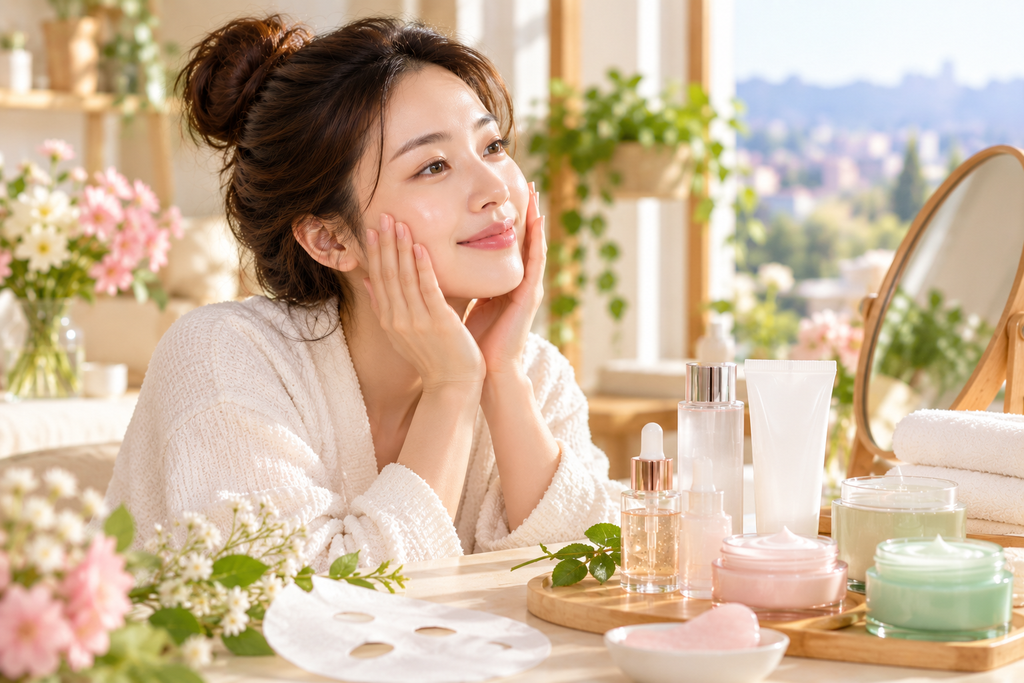
For someone completely new to K-beauty, these are some of the most recognizable categories.
Cleansing Oil
Oil cleansers are commonly used as the first step of double cleansing to dissolve makeup, sunscreen, and oil-based residue.
Essence
An essence is generally a lightweight product applied after cleansing or toning and before heavier serums or creams.
Ampoule
Ampoules are typically concentrated skincare products designed to target specific cosmetic concerns.
Sheet Mask
Sheet masks may be the most recognizable K-beauty product category.
They offer a simple, relaxing way to deliver a temporary boost of hydration.
Sleeping Mask
A sleeping mask is usually applied as the final step of an evening routine and washed off the next morning according to product instructions.
Lightweight Moisturizer
Gel and water-based moisturizers are popular among people who dislike heavy creams.
Is Korean Skincare Regulated in the United States?
Yes, products sold in the United States are subject to applicable U.S. laws and regulations.
The FDA explains that imported cosmetic products must comply with the same relevant U.S. requirements as domestically produced cosmetics.
The regulatory environment has also changed significantly through the Modernization of Cosmetics Regulation Act of 2022, or MoCRA.
Among other requirements, MoCRA expanded FDA authority and established requirements involving facility registration, product listing, safety substantiation, and serious adverse-event reporting.
One important distinction is that ordinary cosmetic products generally are not individually “FDA approved” before entering the market. FDA regulation and FDA approval are not the same thing.
Consumers should therefore be cautious when a seller uses phrases such as “FDA approved” as a marketing claim for an ordinary cosmetic product.
Why Korean Skincare Is More Than a Passing Trend
Beauty trends disappear quickly.
However, Korean skincare has remained influential because it changed more than individual products.
It changed how many consumers think about skincare.
K-beauty helped make hydration exciting.
It introduced American shoppers to unfamiliar product categories.
It made sunscreen texture an important purchasing consideration.
It encouraged ingredient education.
It turned skincare routines into social-media content.
And perhaps most importantly, it made skincare feel approachable and enjoyable.
The latest sales figures suggest that Korean beauty remains a growing force rather than simply a leftover trend from the 2010s. In early 2026, Circana reported strong growth for K-beauty in both prestige and mass-market U.S. retail, with skincare driving much of that momentum.
Final Thoughts
So, why is Korean skincare so popular in America?
There is no single reason.
Its popularity comes from a combination of innovative products, interesting ingredients, lightweight textures, strong value, attractive packaging, social-media exposure, Korean cultural influence, and easy access through American retailers.
But the most important contribution of Korean skincare may be philosophical.
It helped shift the beauty conversation from simply hiding imperfections toward caring for the skin consistently.
That does not mean every Korean product is superior, nor does it mean everyone needs an elaborate routine.
The best approach is much simpler: understand your own skin, choose products carefully, introduce them gradually, and build a routine you can realistically maintain.
Whether that routine contains three products or ten, Korean skincare has already changed the way millions of American consumers think about taking care of their skin.
Frequently Asked Questions About Korean Skincare
Why is Korean skincare so popular in the United States?
Korean skincare has become popular because of its innovative formulas, lightweight textures, ingredient-focused products, accessible pricing, attractive packaging, social-media exposure, and emphasis on hydration and consistent daily skincare.
Is Korean skincare better than American skincare?
Neither category is automatically better. Both Korean and American brands offer excellent products. The best choice depends on your individual skin type, ingredients, formulation, budget, and skincare goals.
Do I need all 10 steps of a Korean skincare routine?
No. A Korean-inspired routine can be very simple. Cleanser, moisturizer, and appropriate sun protection may form the foundation, while toners, essences, serums, masks, and other products can be added according to individual needs.
What Korean skincare ingredients are popular?
Popular ingredients commonly found in K-beauty products include centella asiatica, snail secretion filtrate, rice-derived ingredients, green tea, ceramides, hyaluronic acid, and fermented extracts.
Why are Korean skincare products often affordable?
Competition among Korean beauty brands, a large domestic cosmetics industry, rapid product development, and multiple price segments have helped create many accessible options. Prices still vary widely by brand and product.
Is Korean skincare safe to buy in America?
Cosmetics legally marketed in the United States are subject to applicable U.S. laws and regulations. Imported cosmetics must comply with applicable U.S. requirements as well. Consumers should purchase from reputable sellers, read ingredient lists and product labels, and be cautious about counterfeit products.
What Korean skincare product should a beginner try first?
A beginner should start by identifying what is missing from their current routine. A gentle cleanser, moisturizer, hydrating toner, or serum may be easier starting points than purchasing an entire multi-step routine at once.