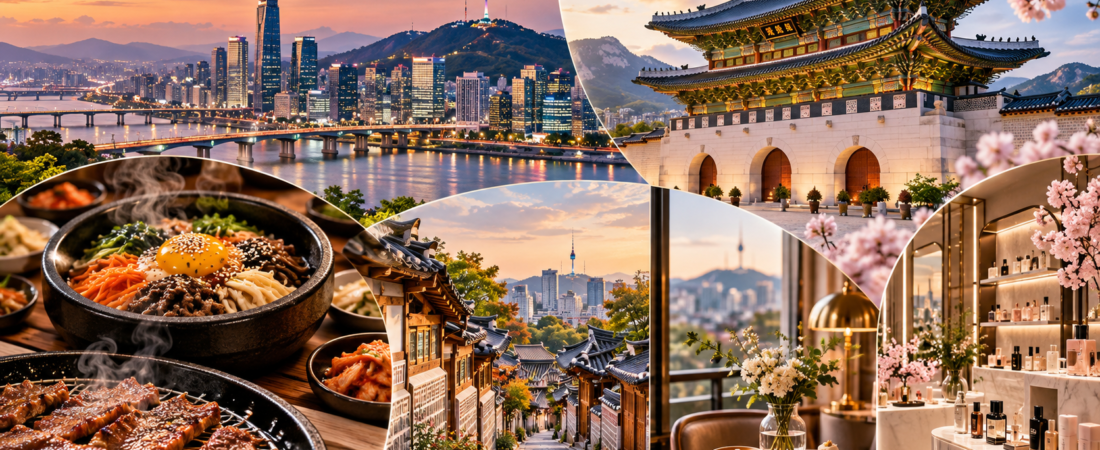
South Korea has become one of the most fascinating international travel destinations for American tourists. From the colorful streets of Seoul to traditional Korean villages, beautiful coastal cities, and world-famous Korean food, the country offers a travel experience that combines modern innovation with centuries of history.
But why are so many Americans visiting South Korea in 2026?
The answer goes far beyond K-pop and Korean dramas. American travelers are discovering a country known for efficient public transportation, vibrant city life, traditional culture, fascinating shopping districts, and unforgettable food experiences.
According to South Korea’s Ministry of Culture, Sports and Tourism, approximately 812,000 visitors from the United States arrived during the first half of 2026, an increase of 11.1% compared with the same period in 2025. This growth is part of a broader increase in international tourism to Korea.
For some Americans, visiting South Korea begins with an interest in Korean entertainment. Others are attracted by affordable local experiences, convenient transportation, skincare shopping, historical landmarks, or the opportunity to discover a culture very different from their own.
This guide explores 12 major reasons South Korea is attracting American visitors in 2026, what makes the country special, and what first-time travelers should know before booking a trip.
1. Korean Pop Culture Has Made South Korea a Global Destination
One of the biggest reasons Americans are interested in visiting South Korea is the international popularity of Korean entertainment.
K-pop, Korean dramas, movies, variety shows, and online content have introduced millions of international viewers to Korean language, food, fashion, architecture, and everyday life.
Artists such as BTS, BLACKPINK, TWICE, and other Korean performers have helped make Korean entertainment recognizable around the world.
For many fans, watching music videos or television dramas creates an interest in experiencing the places where Korean culture originates.
A traveler who enjoys Korean music might want to explore entertainment-related neighborhoods in Seoul. Someone who watches Korean dramas may be interested in visiting filming locations, traditional houses, or recognizable streets.
K-Pop Tourism in Seoul
Seoul offers several neighborhoods associated with Korean entertainment and youth culture.
Gangnam is known for its modern buildings, shopping, fashionable streets, and entertainment industry connections. Hongdae is famous for its youthful atmosphere, music, shopping, restaurants, and street performances.
Visitors can also explore Korean music stores, pop-up exhibitions, and officially announced fan events.
However, entertainment agencies and filming locations are not always open to tourists. Visitors should check whether a location allows public entry and respect the privacy of performers and residents.
Korean Dramas Encourage Cultural Curiosity
Korean dramas often introduce viewers to traditional food, family relationships, clothing, workplace customs, and recognizable cityscapes.
After watching a series, some Americans become interested in trying the dishes shown on screen or visiting a traditional Korean neighborhood.
This connection between entertainment and travel can turn casual curiosity into a meaningful cultural experience.
Korean entertainment provides the initial inspiration, but many visitors discover that the country’s attractions extend far beyond what they have seen on television.
2. Korean Food Is Becoming a Major Travel Attraction
Food is another powerful reason Americans are visiting South Korea in 2026.
Korean restaurants have become more familiar in many American cities, introducing diners to barbecue, bibimbap, kimchi, fried chicken, and other Korean dishes.
However, eating Korean food in South Korea can offer a very different experience from visiting a Korean restaurant in the United States.
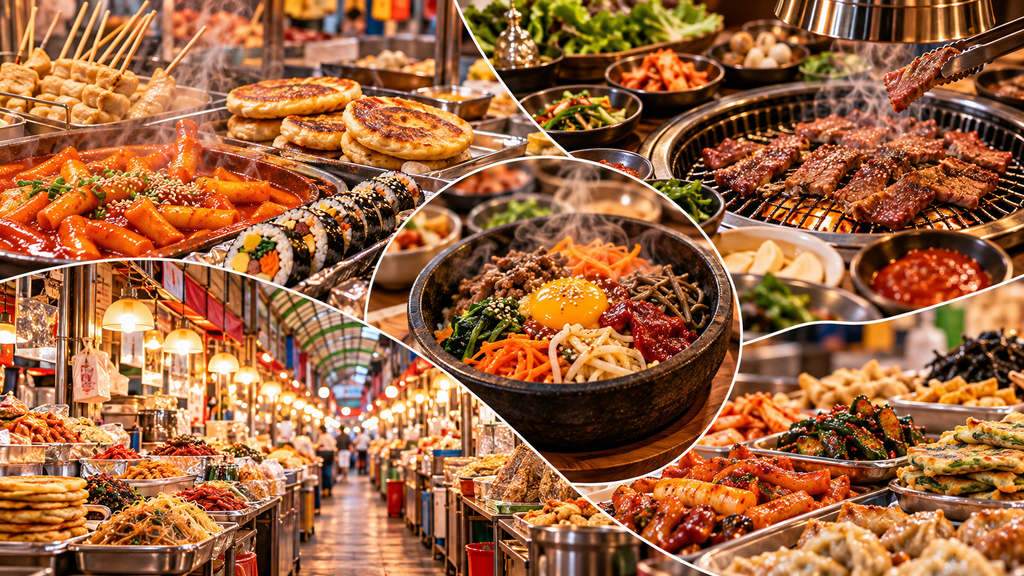
Local markets, family-run restaurants, street food stalls, traditional dining rooms, and neighborhood eateries provide opportunities to explore regional specialties and everyday food culture.
Popular Korean Foods American Visitors Want to Try
Korean barbecue is often one of the first experiences visitors look forward to. Diners may cook meat at their tables and enjoy it with lettuce, sauces, vegetables, and shared side dishes called banchan.
Bibimbap is another popular option. This rice-based dish commonly combines vegetables, sauce, and sometimes meat or eggs.
Tteokbokki, a dish made with chewy rice cakes and typically served in a spicy sauce, is widely associated with Korean street food culture.
Korean fried chicken is known for its flavorful sauces and crispy texture, while hotteok offers a sweet street snack that is particularly appealing in colder weather.
Visitors can also try:
- Kimbap, a convenient rice roll with various fillings.
- Mandu, Korean dumplings.
- Japchae, stir-fried glass noodles.
- Samgyetang, a traditional chicken and ginseng soup.
- Kimchi jjigae, a warming kimchi stew.
- Bingsu, a popular shaved-ice dessert.
The ingredients and preparation methods vary by restaurant, so travelers with allergies or dietary restrictions should always verify what is included.
Why Korean Markets Are Worth Visiting
Traditional markets offer more than food. They provide a glimpse into daily Korean life.
Seoul’s Gwangjang Market is widely recognized for traditional foods and a lively market environment.
Visitors can watch food being prepared, compare different dishes, and learn about Korean dining customs.
Street food prices vary by location and portion size, but sampling several small dishes can be a flexible way to explore Korean cuisine without committing to an expensive restaurant meal.
For Americans who enjoy culinary tourism, South Korea offers an impressive combination of familiar international favorites and lesser-known regional specialties.
3. South Korea Offers a Combination of Modern Cities and Traditional Culture
Another reason South Korea attracts international visitors is its unusual combination of modern infrastructure and historical attractions.
Seoul has skyscrapers, advanced transportation systems, contemporary shopping malls, and digital services.
Yet visitors can also explore royal palaces, traditional houses, historic temples, and neighborhoods that preserve important aspects of Korean architecture.
This contrast allows travelers to experience different periods of Korean history without traveling long distances.
Exploring Korean Royal Palaces
Gyeongbokgung Palace is among Seoul’s best-known historical landmarks.
Originally established during the Joseon Dynasty, the palace introduces visitors to traditional royal architecture and Korean history.
Some tourists choose to rent hanbok, traditional Korean clothing, for photographs or cultural experiences around historical attractions.
Palace admission rules, opening hours, and clothing-related benefits may vary, so checking official visitor information is helpful.
Traditional Korean Neighborhoods
Bukchon Hanok Village is known for traditional Korean houses called hanok.
Its narrow streets and historic architecture attract travelers interested in traditional residential design.
However, Bukchon is also a neighborhood where people live.
Visitors should follow posted tourism restrictions, avoid excessive noise, respect private property, and observe designated visiting hours.
Why This Appeals to American Travelers
In many American cities, historical districts and modern commercial centers are geographically separated.
In Seoul, tourists can often move between a royal palace, a traditional neighborhood, a subway station, and a modern shopping area within the same day.
This makes it possible to explore Korean history while enjoying the convenience of a contemporary city.
4. South Korea’s Public Transportation Makes Independent Travel Easier
Transportation is one of the most practical advantages of visiting South Korea.
Seoul has an extensive subway network connecting residential neighborhoods, shopping areas, tourist attractions, and major transportation hubs.
The system offers an affordable alternative to renting a car or relying entirely on taxis.
For Americans accustomed to driving long distances, South Korea’s public transportation can make city sightseeing surprisingly convenient.
Getting Around Seoul
The Seoul Metropolitan Subway serves major neighborhoods and tourist destinations throughout the capital region.
Many stations provide route information and signs in English as well as Korean.
Travelers can use transportation cards and supported payment methods to pay for eligible subway and bus journeys.
Navigation applications can help visitors compare routes, estimate travel times, and identify transfers.
However, international visitors should not assume that every American navigation or payment application works in Korea exactly as it does at home.
Traveling Outside Seoul
South Korea’s intercity transportation network also makes it possible to explore destinations outside the capital.
High-speed rail services connect major cities such as Seoul and Busan, while regional trains and buses serve additional destinations.
This allows travelers to combine Seoul’s urban attractions with coastal scenery, cultural sites, and regional cuisine.
Tickets, schedules, and travel times vary, so reservations are useful during holidays and popular travel periods.
For tourists planning a multi-city itinerary, reliable public transportation can reduce the need for a rental car.
5. Korean Skincare and Beauty Culture Attract International Visitors
Korean beauty products have developed a strong following in the United States.
American consumers are familiar with Korean sunscreens, cleansers, moisturizers, serums, and skincare trends.
For some travelers, visiting South Korea provides an opportunity to shop for products, discover new brands, and learn more about Korean beauty culture.
Shopping for Korean Skincare
Beauty stores in major shopping districts often offer a wide selection of skincare and cosmetics.
Travelers may encounter products that are difficult to find in American stores or that have different packaging and promotional offers.
Popular shopping areas include Myeongdong, Hongdae, Gangnam, and large department stores.
Prices are not automatically lower than in the United States, so comparing unit prices, exchange rates, and product sizes is sensible.
Beauty Treatments in Korea
Some international visitors are also interested in skin consultations, facials, and dermatology services.
The availability of English-language assistance varies by provider.
Before booking a treatment, travelers should review the qualifications of the provider, potential side effects, total cost, aftercare instructions, and the time needed for recovery.
Visitors should also be cautious about advertisements promising guaranteed cosmetic outcomes.
Korean beauty tourism is an important attraction, but thoughtful research matters more than following social media trends.
6. Korean Cafes Offer Experiences Beyond Coffee
For many American visitors, Korean cafes are attractions in their own right.
Seoul has a diverse cafe scene featuring carefully designed interiors, seasonal desserts, traditional tea, specialty coffee, and creative presentation.
Some cafes are built around particular themes, while others emphasize architecture, gardens, rooftops, or scenic views.
Why Korean Cafes Feel Different
In the United States, coffee shops often function as places to purchase drinks, work, or meet friends.
Korean cafes can serve similar purposes, but many also focus strongly on atmosphere and visual presentation.
Visitors may choose a cafe because of its interior design, signature dessert, neighborhood, or view.
Seongsu-dong, for example, has attracted attention for its renovated industrial spaces, fashionable shops, and contemporary cafes.
Ikseon-dong is another interesting area where traditional architectural surroundings meet modern dining and cafe concepts.
Cafe Culture and Social Media
Distinctive spaces are frequently shared through photography, travel videos, and social media.
This visibility can introduce international travelers to neighborhoods they might otherwise overlook.
Still, visitors should respect photography rules, avoid disturbing customers, and remember that some popular cafes have long waiting times.
A visit to a Korean cafe can become a relaxing cultural experience rather than simply a stop for caffeine.
7. South Korea Appeals to Travelers Who Value Personal Safety
Safety is an important consideration for Americans choosing an international destination.
South Korea is often attractive to travelers who want to explore major urban areas using public transportation and well-developed city infrastructure.
As of the published U.S. State Department guidance reviewed for this article, South Korea carries a Level 1 advisory: Exercise Normal Precautions.
However, a Level 1 advisory does not mean that travel is free of risks.
Practical Safety Considerations
Visitors should remain aware of traffic, crowded nightlife districts, personal belongings, and unfamiliar situations.
Large demonstrations may affect transportation and public access to certain areas.
Weather also matters. Heavy summer rainfall and seasonal storms can disrupt travel plans.
Travelers should save important emergency numbers, keep copies of travel documents, and have a way to contact their accommodation.
Useful emergency numbers in South Korea include:
- 112 for police.
- 119 for fire and ambulance services.
- 1330 for Korea’s tourist information service, subject to current operating arrangements.
Is South Korea Safe for Solo Travelers?
Many solo travelers consider South Korea because of its transportation network, urban amenities, and accessible tourist infrastructure.
Nevertheless, individual experiences differ, and travelers should take appropriate precautions, particularly when traveling late at night or visiting unfamiliar neighborhoods.
Researching accommodation locations and transportation connections before arrival can make solo travel more comfortable.
For a complete assessment of entry conditions and safety advice, visitors should review the latest U.S. State Department travel information.
8. A Korean Vacation Can Offer Flexible Budget Options
Travel costs are an important factor for Americans planning an international vacation.
South Korea is not necessarily a cheap destination, especially when travelers include long-haul airfare from the United States.
However, visitors can control many of their expenses by choosing appropriate accommodations, using public transportation, and balancing paid attractions with inexpensive activities.
Accommodation Choices
South Korea offers a range of accommodation styles, including:
- Luxury hotels.
- Midrange business hotels.
- Guesthouses.
- Hostels.
- Traditional hanok stays.
- Extended-stay properties.
Prices vary according to the city, season, room size, location, and reservation date.
Staying near a convenient subway station can sometimes provide better overall value than paying more for a centrally located hotel.
Food and Daily Expenses
Travelers can mix restaurant meals with market food, bakery purchases, and convenience-store options.
Public transportation can also help control daily spending.
Shopping, nightlife, beauty treatments, and entertainment tickets can increase a budget significantly, so it is important to separate essential expenses from optional experiences.
Is Korea Cheaper Than Japan or Europe?
A meaningful comparison depends on the exact itinerary.
Airfare, hotel category, travel season, and personal spending habits can change the result.
Rather than assuming one country is always cheaper, Americans should compare total trip costs for the same travel dates and comfort level.
A well-planned South Korea vacation can appeal to both budget-conscious travelers and visitors interested in luxury experiences.
9. Social Media Has Changed How Americans Discover Korea
Travel inspiration increasingly comes from short videos, photographs, creator recommendations, and online communities.
South Korea provides visually distinctive environments that are easy to recognize in digital travel content.
Colorful street signs, cafes, traditional palaces, city skylines, food markets, and seasonal landscapes are often featured in travel posts.
The Influence of Short Travel Videos
A short video showing a Korean market or neighborhood can introduce a destination to viewers who have never considered visiting South Korea.
Travelers may then research the location, compare hotels, and begin building their own itineraries.
Creators also help explain details that traditional advertisements might overlook, such as ordering food, using public transit, or buying a transportation card.
Why Travelers Should Verify Online Recommendations
Social media can be useful for discovering places, but popular posts may omit practical details.
Some locations are seasonal, difficult to access, privately owned, or subject to restricted opening hours.
Restaurants and businesses may also close or relocate.
Visitors should confirm current information before making a special trip.
The most useful travel plans combine online inspiration with reliable local and official information.
10. Easier Travel Access Has Encouraged More Americans to Visit
Air connections, tourism promotion, and entry arrangements influence international travel decisions.
South Korea’s Ministry of Culture, Sports and Tourism has identified expanded direct air routes and tourism campaigns linked to Korean cultural content among the factors supporting inbound travel growth.
These developments can make South Korea feel more accessible to travelers from the United States.
Entry Requirements for American Travelers in 2026
U.S. passport holders generally can visit South Korea for tourism or certain short business activities for up to 90 days without obtaining a visa.
South Korea has extended the temporary K-ETA exemption for eligible U.S. passport holders through December 31, 2026.
Travelers must still meet applicable immigration and entry requirements.
The exemption from K-ETA does not automatically remove other arrival procedures.
Visitors should check whether an arrival card or electronic arrival declaration is required for their individual situation.
Those planning to work, teach, study long-term, or remain beyond an authorized visit may need a different visa or immigration status.
Because entry requirements can change, Americans should verify the current rules shortly before departure.
Flights and Travel Planning
Major international airports connect South Korea with North American and international destinations.
Incheon International Airport is the primary international gateway for many visitors to Seoul.
Direct flights may reduce travel complexity for passengers traveling from cities with nonstop service, while others will need connections.
Travelers should compare total journey times, baggage allowances, arrival times, and airport transfer costs—not simply the initial ticket price.
11. Americans Are Discovering Korean Destinations Beyond Seoul
Seoul is the most recognizable Korean destination for many first-time American visitors, but it is not the only place worth exploring.
Travelers interested in nature, regional food, history, or coastal scenery can find very different experiences across the country.
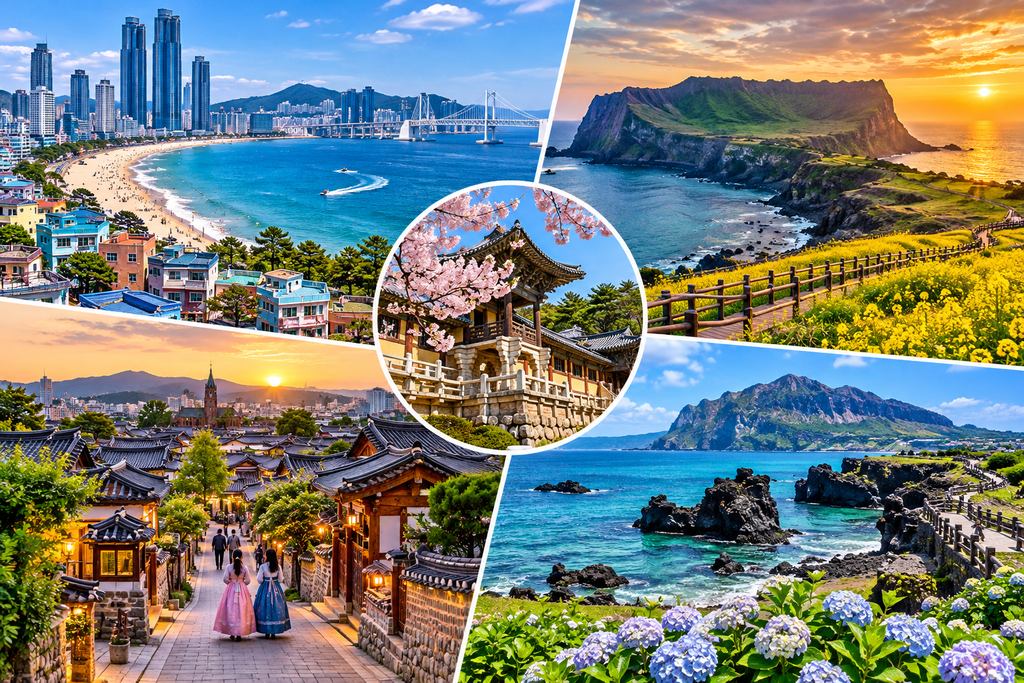
Busan: Beaches, Seafood, and Coastal Life
Busan is South Korea’s major southeastern port city.
Its attractions include coastal walks, seafood markets, beaches, urban viewpoints, and a distinctive local atmosphere.
For travelers who enjoy cities near the ocean, Busan provides a contrast with Seoul.
Jeju Island: Landscapes and Outdoor Activities
Jeju Island is known for volcanic landscapes, coastal scenery, walking routes, and natural attractions.
Visitors can explore hiking trails, museums, waterfalls, and regional foods.
Transportation arrangements require attention because some attractions are spread across the island.
Gyeongju: Ancient History
Gyeongju is especially appealing to travelers interested in Korean history.
The city preserves important heritage associated with the Silla Kingdom, including historical sites, royal tomb areas, and Buddhist architecture.
It can offer a quieter alternative to a busy metropolitan itinerary.
Jeonju: Traditional Food and Architecture
Jeonju is widely associated with traditional Korean culture, hanok architecture, and regional cuisine.
Its traditional village area attracts visitors interested in photography, crafts, and historical surroundings.
These destinations illustrate why repeat visitors may continue discovering new aspects of South Korea long after their first trip.
12. Travelers Want Meaningful Experiences, Not Just Famous Attractions
Many international travelers want to understand the everyday life of a destination rather than visit only its most famous landmarks.
South Korea offers opportunities for cultural learning through food, traditional arts, local neighborhoods, and hands-on experiences.
Traditional Experiences
Visitors may be interested in:
- Renting hanbok for cultural photography.
- Participating in a traditional tea experience.
- Exploring Korean craft workshops.
- Learning basic Korean cooking techniques.
- Visiting museums dedicated to Korean history.
- Attending traditional music or cultural performances.
These experiences can provide context beyond what tourists see in photographs.
Everyday Korean Life
Some Americans are particularly curious about daily routines in South Korea.
They want to understand how people commute, shop for groceries, spend weekends, use technology, and socialize.
A simple neighborhood walk can reveal convenience stores, local bakeries, public parks, small restaurants, and community spaces.
For travelers who are considering studying, retiring, or living abroad, these everyday observations may be as interesting as major tourist attractions.
South Korea offers a way to explore both a global cultural destination and a society with its own customs and rhythms.
South Korea Tourism Statistics: What the 2026 Numbers Show
Official Korean tourism figures support the observation that international interest is translating into increased travel.
The Ministry of Culture, Sports and Tourism reported the following figures:
| Tourism indicator | Official reported figure |
|---|---|
| U.S. visitors, January–June 2026 | 811,974 |
| U.S. visitor growth, year over year | 11.1% |
| Visitors from the Americas, January–June 2026 | 1,077,287 |
| Total international visitors, January–June 2026 | 10,709,919 |
| Total international visitors, January–August 2026 | Approximately 15.05 million |
These figures show strong inbound tourism growth. They do not prove that every American traveler is visiting because of Korean entertainment or any single trend.
Tourism decisions are influenced by many factors, including airfare, family connections, business travel, cultural interests, and personal preferences.
Nevertheless, Korean culture, expanding travel connections, and the country’s diverse attractions provide compelling reasons for Americans to consider South Korea.
Best Time for Americans to Visit South Korea
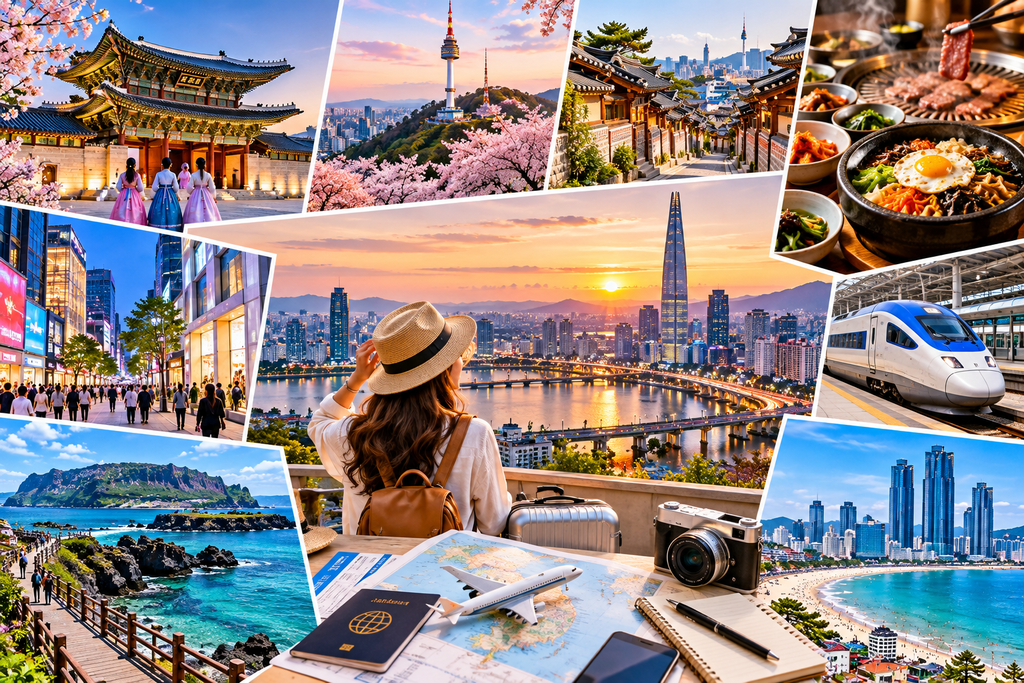
Choosing when to visit can make a significant difference in the overall experience.
Spring: March Through May
Spring is popular for seasonal flowers, milder temperatures, and outdoor sightseeing.
Cherry blossom timing varies by region and year.
Hotels and flights can become more expensive during popular blossom periods and holidays.
Summer: June Through August
Summer brings warm temperatures, humidity, and seasonal rainfall.
It can be a good period for indoor attractions, festivals, and certain coastal activities, but travelers should prepare for rain and heat.
Fall: September Through November
Fall is appealing for comfortable sightseeing conditions, cultural events, and colorful foliage.
Peak autumn foliage varies across regions and elevations.
Winter: December Through February
Winter offers a different atmosphere, including snowy mountain destinations, seasonal lighting, warm Korean dishes, and winter sports opportunities.
Travelers should pack appropriate cold-weather clothing, particularly when visiting inland or northern areas.
The ideal season depends on personal interests, budget, and tolerance for weather conditions.
Practical Travel Tips for First-Time American Visitors
A little preparation can help travelers enjoy South Korea more comfortably.
Learn a Few Basic Korean Expressions
English-language signs are common in many tourist areas, but English proficiency varies.
Useful Korean phrases include:
- Annyeonghaseyo — Hello.
- Gamsahamnida — Thank you.
- Juseyo — Please give me.
- Eolmayeyo? — How much is it?
- Yeogiyo — Excuse me, or a way to get someone’s attention.
Even simple expressions can make everyday interactions easier.
Prepare Mobile Internet Access
Many travelers benefit from having a working mobile data connection as soon as they arrive.
Options include an eligible international roaming plan, local SIM card, or compatible eSIM.
Reliable internet access helps with maps, translation, transportation, and reservations.
Bring an Appropriate Payment Method
International credit cards are accepted at many hotels, larger retailers, and restaurants.
However, some smaller businesses, traditional markets, and transportation services may require alternative payment arrangements.
Carrying a reasonable amount of Korean won can be useful.
Travelers should also check foreign transaction fees before leaving the United States.
Understand Local Etiquette
Visitors can make a positive impression by following simple cultural customs.
For example, passengers should respect priority seating rules on public transportation and avoid blocking busy walkways.
It is also considerate to follow rules about indoor shoes, food disposal, and photography.
Cultural practices vary across situations, so observing local behavior is often helpful.
Keep Travel Plans Flexible
Some of the most enjoyable moments during a trip happen unexpectedly.
Allowing time for neighborhood exploration, local restaurants, and relaxing walks can produce a more balanced experience than scheduling every hour.
First-time travelers may find that combining Seoul’s major attractions with one or two less crowded neighborhoods creates a rewarding itinerary.
Frequently Asked Questions About Americans Visiting South Korea in 2026
1. Why are more Americans visiting South Korea in 2026?
Interest in Korean entertainment, food, beauty, cultural attractions, and independent travel experiences has contributed to South Korea’s international appeal. Official figures also show an increase in U.S. visitors during the first half of 2026.
2. Is South Korea safe for American tourists?
The U.S. State Department lists South Korea at Level 1, Exercise Normal Precautions, under the advisory referenced in this guide. Travelers should still monitor current conditions and use common safety measures.
3. Do American citizens need a visa to visit South Korea?
U.S. passport holders generally do not need a visa for eligible short tourism visits of 90 days or less. Different rules apply for employment, extended stays, and certain other purposes.
4. Is K-ETA required for Americans in 2026?
Eligible U.S. passport holders are temporarily exempt from K-ETA through December 31, 2026. Entry procedures should be checked again before departure.
5. Is South Korea expensive for American travelers?
Costs depend on airfare, accommodation, season, city, dining preferences, and activities. Travelers can often manage daily expenses by using public transportation and choosing accommodations carefully.
6. Can Americans travel in South Korea without speaking Korean?
Yes. Many tourist services offer English-language information, particularly in major cities. Translation applications and a few basic Korean expressions can be useful in less tourist-oriented areas.
7. Is Seoul or Busan better for first-time visitors?
Seoul is a convenient starting point for travelers interested in history, shopping, entertainment, and urban culture. Busan is especially appealing to visitors who prefer beaches, coastal scenery, and seafood.
8. How many days should Americans spend in South Korea?
A seven- to ten-day itinerary can give first-time visitors enough time to explore Seoul and potentially another destination. Longer visits allow for a more relaxed pace and additional regions.
9. Why is Korean food popular with American tourists?
Korean cuisine offers a wide variety of flavors, shared dining traditions, street food, and regional specialties. Experiencing these foods locally can add cultural context beyond what is available in restaurants abroad.
10. Is South Korea worth visiting in 2026?
For travelers interested in Korean culture, city experiences, food, history, nature, and convenient transportation, South Korea offers many appealing possibilities. Whether it is worthwhile depends on personal interests, budget, and travel goals.
Final Thoughts: Why South Korea Continues to Attract Americans
The increase in Americans visiting South Korea in 2026 reflects a larger shift in how international travelers discover and experience destinations.
Korean music and television may introduce Americans to the country, but its attractions are much more diverse.
Visitors can explore historical palaces, enjoy traditional markets, travel on modern public transportation, discover distinctive cafes, experience Korean beauty culture, and explore coastal or mountain landscapes.
At the same time, official tourism statistics demonstrate that interest in visiting South Korea is not limited to social media excitement.
The country recorded substantial growth in inbound visitors during 2026, including increased arrivals from the United States.
For American travelers preparing their first trip, the best approach is to combine popular attractions with meaningful cultural experiences and realistic travel planning.
South Korea is more than a destination made famous by pop culture. It is a place where traditional heritage, everyday life, modern cities, and regional diversity come together.
And for many American travelers, that combination makes South Korea one of the most interesting destinations to discover in 2026.
Official Sources and Further Reading
- Ministry of Culture, Sports and Tourism — K-Culture Boom Reaches Western and Long-Haul Inbound Markets
- Ministry of Culture, Sports and Tourism — International Arrivals Surpass 15 Million Through August 2026
- U.S. Department of State — South Korea Travel Advisory
- Korea Tourism Organization — Official Travel Information
- Official Korea Electronic Travel Authorization
Updated October 2026. Travel policies, attraction rules, transportation arrangements, and prices may change. Confirm time-sensitive information before traveling.