Jeonju Korean Food Guide 2026: Traditional Dishes, Local Markets, Food Culture, and Travel Tips
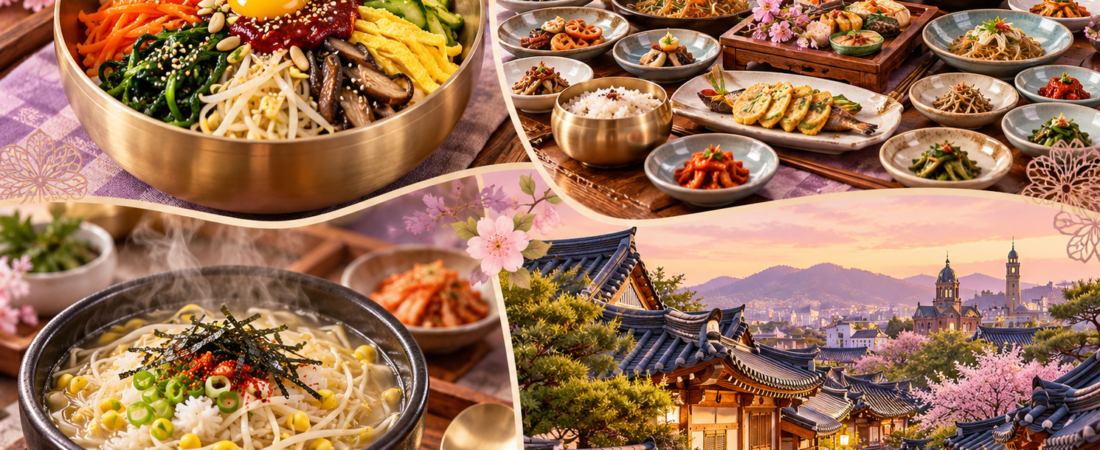
Jeonju Korean food is one of the strongest reasons to visit this historic city in southwestern South Korea. Famous for its colorful bibimbap, comforting bean sprout soup, generous traditional meals, and lively food markets, Jeonju offers visitors an opportunity to experience Korean cuisine beyond the familiar restaurants of Seoul.
Many travelers first discover Korean food through barbecue, kimchi, fried chicken, or popular dishes featured in Korean dramas. Yet the country has a much deeper culinary heritage, with regional ingredients, traditional cooking methods, fermented seasonings, and dining customs that vary from place to place.
Jeonju is particularly important in this culinary landscape.
Located in North Jeolla Province, the city has developed a reputation for meals that emphasize variety, presentation, seasonal ingredients, and the enjoyment of sharing food with others.
In 2012, Jeonju joined the UNESCO Creative Cities Network as a City of Gastronomy, recognizing the cultural importance of its food traditions and its commitment to developing gastronomy as a creative resource.
Today, visitors can explore centuries-old food customs alongside modern bakeries, creative street snacks, and contemporary cafés.
But what makes Jeonju one of Korea’s most celebrated food destinations? Is its famous bibimbap genuinely different? What should travelers eat first, and where should they go?
This guide explores the history, flavors, dining traditions, and practical experiences that make Jeonju an outstanding destination for anyone interested in Korean cuisine.
1. Jeonju Is Recognized as a UNESCO Creative City of Gastronomy
One of the clearest signs of Jeonju’s international culinary reputation is its recognition by UNESCO.
In May 2012, Jeonju was designated a UNESCO Creative City of Gastronomy.
This designation places the city within an international network of communities committed to using creativity and cultural heritage to support sustainable urban development.
The recognition is important because Jeonju’s food identity involves more than a collection of popular restaurants.
Its culinary culture is connected to local agriculture, traditional ingredients, fermented foods, specialized cooking knowledge, and community dining practices.
Jeonju’s reputation also reflects the broader food heritage of the Jeolla region, which is widely associated with diverse side dishes and carefully prepared meals.
Rather than focusing exclusively on luxury dining, the city celebrates everyday culinary traditions alongside formal Korean cuisine.
A modest bowl of bean sprout soup can be just as meaningful to local food culture as an elaborate traditional meal.
What Does UNESCO Recognition Mean for Travelers?
A UNESCO City of Gastronomy designation does not mean that every restaurant has been inspected, ranked, or awarded a culinary distinction by UNESCO.
Instead, the designation recognizes a city’s culinary heritage and its participation in cultural and creative development.
For travelers, Jeonju offers an opportunity to explore how food connects people with history, agriculture, local identity, and community life.
That connection is a major reason its culinary reputation has endured.
2. Jeonju Bibimbap Is the City’s Signature Dish
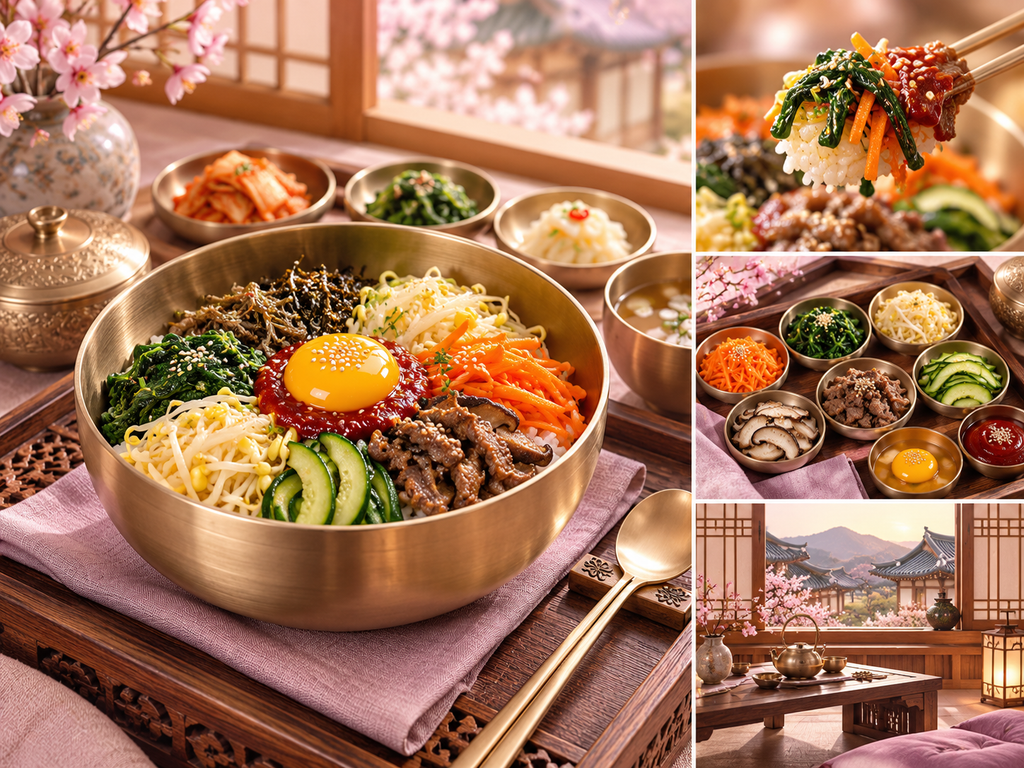
If Jeonju is famous for one dish, it is bibimbap.
Bibimbap is a Korean rice dish topped with various ingredients, often including seasoned vegetables, mushrooms, egg, and meat, with gochujang or another sauce served alongside.
The ingredients are mixed before eating, creating a combination of flavors and textures.
While bibimbap is available throughout South Korea, Jeonju has become particularly associated with this dish.
Restaurants in the city often emphasize carefully arranged toppings, varied vegetables, regional ingredients, and attractive presentation.
The result can be a meal that is visually impressive while remaining rooted in familiar Korean ingredients.
What Makes Jeonju Bibimbap Different?
Several features are commonly associated with traditional Jeonju-style bibimbap.
Some preparations use rice cooked with a flavorful broth rather than plain water.
A broad selection of seasoned vegetables may be arranged around the bowl.
Ingredients can include soybean sprouts, spinach, bracken fern, mushrooms, and traditional garnishes.
Certain restaurants serve bibimbap in brass bowls, while others offer heated stone-pot versions.
Meat and egg preparations also vary.
Importantly, there is no single identical version served at every restaurant. Different establishments preserve their own recipes and interpretations.
How Should You Eat Bibimbap?
Start by observing the ingredients before mixing.
Then add a suitable amount of sauce and stir the rice, vegetables, and toppings together.
If you are sensitive to spicy food, begin with a small amount of gochujang.
The purpose is to combine the components into a balanced meal rather than eating every topping separately.
For travelers unfamiliar with Korean dining, bibimbap provides an approachable introduction to Korean ingredients and flavors.
3. Kongnamul Gukbap Is Jeonju’s Comfort Food
Another dish strongly associated with Jeonju is kongnamul gukbap.
The name refers to soybean sprout and rice soup.
It is generally served as a warm, satisfying meal featuring bean sprouts, broth, and rice.
Depending on the restaurant, additional ingredients may include green onions, garlic, seasonings, egg, or seafood-based components.
The dish is particularly popular for breakfast and as a comforting meal after a late night.
While bibimbap is often celebrated for its colorful presentation, kongnamul gukbap is appreciated for its simplicity.
Why Is Bean Sprout Soup So Popular?
The appeal comes from its combination of texture, warmth, and savory flavor.
Soybean sprouts contribute a fresh, slightly crunchy quality that contrasts with the warm broth and rice.
Restaurants may adjust the seasoning to create milder or spicier variations.
Some offer a separate egg preparation, while others incorporate egg into the soup itself.
Because recipes vary, travelers should not assume that every bowl tastes the same.
Is Kongnamul Gukbap Spicy?
Not necessarily.
Some restaurants serve relatively mild versions, while others use chili flakes or additional spicy seasonings.
Visitors who prefer less heat can ask whether a milder preparation is available.
Vegetarian travelers should also ask about the broth because anchovy or other seafood-based ingredients may be used.
For a first-time visitor, kongnamul gukbap is a wonderful way to discover everyday Jeonju food culture.
4. Jeonju Hanjeongsik Represents Traditional Korean Hospitality

Hanjeongsik is a traditional Korean-style meal featuring multiple dishes and side dishes served together or in courses.
Jeonju is particularly associated with generous presentations of regional food.
A typical hanjeongsik experience might include rice, soup, vegetables, grilled dishes, fermented foods, seasonal specialties, and numerous small side dishes.
However, the exact menu depends on the restaurant, season, price, and dining format.
The meal can feel elaborate, especially to international visitors unfamiliar with Korean table settings.
Why Are There So Many Side Dishes?
Small accompanying dishes, known as banchan, are an important part of Korean dining.
They create variety through different temperatures, textures, seasonings, and cooking methods.
One dish may feature fresh vegetables, while another uses fermentation, steaming, braising, or grilling.
When several dishes are eaten together, they create a broader range of flavors than a single main course.
Jeolla-style meals are particularly known for their variety.
Is Hanjeongsik Expensive?
Hanjeongsik can range from relatively accessible set meals to premium dining experiences.
Prices depend on ingredients, restaurant style, and the number of dishes served.
Some establishments have minimum party-size requirements or require advance reservations for elaborate menus.
For travelers who enjoy food as a cultural experience, a traditional Jeonju meal can be one of the most memorable parts of the trip.
It also provides opportunities to discover dishes that visitors might not order individually.
5. Jeonju’s Food Reputation Is Connected to the Jeolla Region
Jeonju’s culinary identity cannot be understood without considering its regional surroundings.
The Jeolla region has long been associated with agriculture, regional produce, and distinctive cooking traditions.
Rice, vegetables, seafood from nearby coastal areas, and fermented seasonings have all contributed to the development of regional cuisine.
Local food customs also reflect the influence of historical trade, family cooking practices, and seasonal availability.
Many Korean dishes use similar basic ingredients, but their preparation and seasoning can differ by region.
These distinctions make regional food travel particularly rewarding.
Why Do Regional Ingredients Matter?
Freshness, seasonality, and cooking technique affect the flavor of any dish.
A vegetable served lightly seasoned can have a different character from the same ingredient preserved, fermented, or cooked in broth.
Likewise, gochujang, doenjang, soy sauce, and other traditional seasonings create different flavor combinations depending on how they are used.
Exploring Jeonju encourages travelers to appreciate these details.
Rather than simply recognizing a dish by name, visitors can begin noticing the ingredients and techniques that give it a regional identity.
6. Jeonju Hanok Village Combines Food with Traditional Architecture
Jeonju Hanok Village is one of the city’s best-known tourist destinations.
The neighborhood is celebrated for its concentration of traditional Korean-style buildings.
Visitors come to explore picturesque streets, cultural attractions, craft shops, cafés, and food establishments.
For culinary travelers, the village offers an appealing combination of sightseeing and casual dining.
A visitor can spend the morning exploring traditional architecture, enjoy bibimbap for lunch, and try regional desserts in the afternoon.
What Foods Can You Find Around Hanok Village?
Depending on the businesses operating during your visit, the area may offer bibimbap, dumplings, grilled snacks, noodle dishes, traditional sweets, and baked goods.
Modern food businesses also reinterpret familiar Korean flavors for tourists.
Some street foods are convenient to eat while walking, although visitors should be mindful of local etiquette and cleanliness.
One important distinction is that tourist-oriented street snacks are not necessarily ancient traditional foods.
Many are contemporary interpretations designed for visitors.
That does not make them less enjoyable, but understanding the difference adds useful context.
Is Hanok Village Too Tourist-Oriented?
The area can be busy, especially during weekends and holidays.
Some establishments cater primarily to visitors, while others emphasize traditional dining.
Travelers who want a deeper food experience should consider exploring both the village and surrounding neighborhoods.
A balanced visit includes popular attractions without assuming that every famous restaurant or snack represents the whole city.
7. Nambu Market Reveals Jeonju’s Everyday Food Culture

Traditional markets are often among the most interesting places to understand Korean food.
Jeonju’s Nambu Market is especially significant because of its long history and range of food-related businesses.
The market occupies an important place in local commercial life.
Visitors can encounter produce, dried ingredients, prepared foods, household goods, and small restaurants.
The setting offers a different experience from a modern food court or restaurant district.
What Should You Try at Nambu Market?
Bean sprout soup is one of the dishes associated with the area.
Depending on availability, visitors may also encounter savory pancakes, rice-based snacks, traditional soups, noodles, and other regional foods.
The atmosphere is an important part of the experience.
Customers may eat at simple counters while vendors prepare food nearby.
Small restaurants often specialize in just a few dishes.
That specialization can give travelers insight into how everyday meals are prepared and served.
What About Nambu Market’s Night Market?
Nambu Market is also associated with nighttime food events, traditionally held on selected evenings.
These activities can include traditional snacks and creative contemporary dishes.
However, schedules, participating vendors, and operating arrangements can change.
Travelers should confirm current information before planning an evening around a particular market event.
A visit to Nambu Market complements the more polished dining experiences available elsewhere in Jeonju.
8. Jeonju Has a Distinctive Traditional Drinking and Dining Culture
Another element of Jeonju’s food identity is its relationship with traditional beverages and shared meals.
Makgeolli, a Korean rice-based alcoholic beverage, is associated with social dining experiences in many parts of the country, including Jeonju.
Some traditional establishments serve a range of accompanying dishes alongside beverage orders.
The quantity and variety of these dishes differ by restaurant.
This style of dining illustrates the social role of food in Korean culture.
Meals are often about conversation, relationships, and spending time together rather than simply consuming individual dishes.
Gamaek: A Casual Jeonju Food Tradition
Jeonju is also associated with gamaek, a term combining the Korean words for a small shop and beer.
Traditionally, this refers to a casual setting where people enjoy drinks with simple snacks.
The appeal lies in its relaxed neighborhood atmosphere.
Visitors interested in this aspect of food culture can explore the history and social traditions surrounding local drinking establishments.
However, enjoying Jeonju’s cuisine does not require consuming alcohol.
Travelers can experience the city’s culinary heritage through markets, traditional restaurants, bakeries, and cafés.
9. Jeonju Choco Pie Is a Famous Sweet Souvenir
Not every celebrated Jeonju specialty is savory.
Jeonju choco pie has become a recognizable souvenir associated with the city.
Unlike the familiar mass-produced packaged version, certain local bakery interpretations feature layers of soft cake, cream, jam, or other fillings.
Variations differ between bakeries.
Some travelers purchase these sweets to enjoy during the trip, while others bring them home as gifts.
Why Are Local Bakery Products So Popular?
Food souvenirs provide an approachable way to remember a destination.
They are often easier to purchase and transport than full traditional meals.
Jeonju’s bakery culture also illustrates how regional culinary identity can develop beyond centuries-old recipes.
Not every food specialty needs to be ancient to become meaningful.
A successful local product can become associated with the experience of visiting a particular city.
When buying bakery gifts, check storage requirements, expiration dates, and whether the product needs refrigeration.
This is particularly important when traveling long distances.
10. Jeonju Kalguksu Is Another Comforting Local Favorite
Kalguksu is a Korean noodle dish made with knife-cut wheat noodles.
Different regions and restaurants prepare their broth and toppings in different ways.
In Jeonju, travelers can find versions featuring vegetables, egg, seaweed, and other ingredients.
The dish is particularly appealing to visitors who enjoy warm, comforting meals.
What Makes Kalguksu Enjoyable?
The noodles have a distinctive texture that differs from many machine-produced varieties.
The broth can range from mild and delicate to rich and strongly seasoned.
Some restaurants offer accompaniments such as kimchi or additional seasoning.
Kalguksu is a useful alternative for travelers who want something other than rice.
However, visitors with dietary restrictions should ask about wheat, eggs, seafood, and meat-based broths.
11. Jeonju Mulgalbi Offers a Different Side of Korean Cuisine
Visitors who are already familiar with Korean barbecue may be interested in trying mulgalbi.
Unlike the grilled ribs often associated with Korean restaurants abroad, mulgalbi is generally prepared as a spicy, broth-based dish.
It may include pork ribs, soybean sprouts, glass noodles, and seasonings.
Different establishments prepare their own versions.
The dish demonstrates how Korean cuisine can use similar ingredients in very different cooking formats.
Is Mulgalbi Suitable for Everyone?
Mulgalbi may be relatively spicy, depending on the restaurant.
It also generally contains meat and may be cooked with additional animal-derived ingredients.
Travelers who avoid pork, follow vegetarian diets, or are sensitive to chili should review the ingredients before ordering.
For those who enjoy bold flavors and shared meals, mulgalbi can provide another memorable Jeonju dining experience.
12. Is Jeonju a Good Destination for Vegetarian Travelers?
Jeonju can be an interesting destination for vegetarian travelers because many Korean meals feature vegetables, mushrooms, tofu, rice, and fermented ingredients.
However, choosing a vegetable-heavy dish does not automatically guarantee that it is vegetarian.
Traditional recipes sometimes contain hidden animal ingredients.
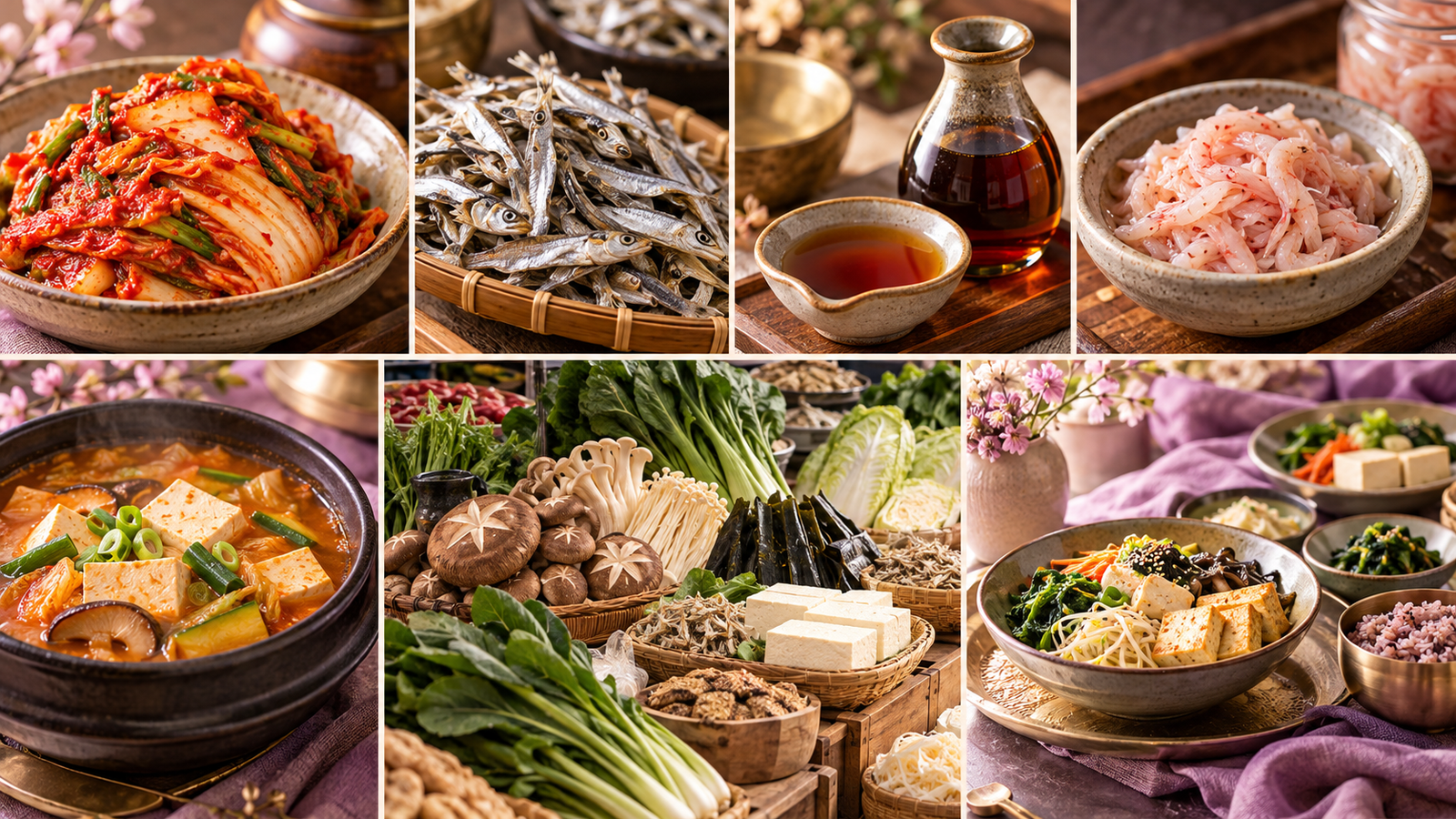
For example, kimchi may include fish sauce or salted shrimp.
Vegetable soups may use anchovy stock.
Bibimbap may contain beef, egg, or seasonings made with animal products.
Hanjeongsik can include meat and seafood even when numerous vegetable side dishes are served.
How Can Vegetarians Order Food in Jeonju?
One strategy is to look for restaurants that clearly identify vegetarian or vegan meals.
Another is to ask about ingredients before ordering.
Travelers can use a translated dietary explanation that specifies whether they avoid meat, fish, seafood, eggs, dairy, or animal-based broth.
It is particularly important to communicate whether fish sauce and anchovy stock are excluded.
Can Bibimbap Be Made Vegetarian?
Sometimes, yes.
A restaurant may be able to omit meat and egg, but availability depends on how the dish is prepared.
Travelers should also ask whether the rice, seasonings, and vegetable toppings contain animal-derived ingredients.
The flexibility of bibimbap makes it a promising choice, but it is not automatically vegan.
13. What Makes Jeonju Different from Seoul and Busan for Food Lovers?
Seoul, Busan, and Jeonju all offer excellent opportunities to explore Korean cuisine.
However, their food identities differ.
Seoul has a large and diverse restaurant scene featuring regional Korean dishes, international cuisine, fine dining, and constantly changing food trends.
Busan is particularly associated with seafood, pork soup, wheat noodles, and coastal market culture.
Jeonju is widely known for bibimbap, Jeolla-style meals, traditional food heritage, and culinary experiences connected to historic neighborhoods.
Jeonju vs. Seoul vs. Busan Food Comparison
| Feature | Jeonju | Seoul | Busan |
|---|---|---|---|
| Signature food identity | Bibimbap and regional cuisine | Wide national and international variety | Coastal and regional specialties |
| Famous dishes | Bibimbap, bean sprout soup | Numerous regional and modern dishes | Pork soup, milmyeon, seafood |
| Traditional meal culture | Jeolla-style hanjeongsik | Diverse traditional dining options | Regional soup and seafood traditions |
| Popular food areas | Hanok Village, Nambu Market | Citywide restaurant districts | Jagalchi, Nampo, Haeundae |
| Ideal food experience | Regional culinary heritage | Wide variety and innovation | Maritime food culture |
No single city has objectively better food for every traveler.
Jeonju is particularly attractive to visitors who want to understand the relationship between Korean history, regional ingredients, and traditional dining.
14. Is Jeonju Korean Food Expensive?
Jeonju offers food experiences at different price levels.
A simple soup or noodle meal may be relatively economical, while an elaborate hanjeongsik experience can cost substantially more.
Tourist-oriented restaurants and premium dining establishments may charge more than modest neighborhood restaurants.
The best way to plan a food budget is to choose a variety of dining experiences.
For example, a traveler could enjoy bean sprout soup for breakfast, bibimbap for lunch, and an elaborate traditional meal for dinner.
This provides culinary variety without requiring every meal to be expensive.
Budget-Friendly Food Strategies
Look for restaurants with clearly displayed menus and prices.
Consider casual restaurants outside the busiest tourist streets.
Explore local markets where different prepared foods may be available.
Ask whether a restaurant requires a minimum number of diners before ordering a traditional set meal.
Avoid assuming that a famous restaurant is automatically the best value.
Because prices change, verify current menus instead of relying on old travel articles.
15. Where Should First-Time Visitors Eat in Jeonju?
Different parts of Jeonju offer different dining experiences.
Jeonju Hanok Village
This is a convenient choice for travelers combining sightseeing with food.
The area offers popular restaurants, dessert shops, and street snacks.
Nambu Market
Nambu Market is particularly suitable for visitors interested in casual meals, market food, and everyday local commerce.
Downtown Jeonju
Commercial streets beyond the major tourist sites offer cafés, restaurants, and contemporary dining experiences.
Exploring these areas can help travelers see how residents enjoy the city beyond its most famous attractions.
Traditional Restaurant Districts
Visitors seeking hanjeongsik or regional specialties may want to choose restaurants based on menu quality, location, accessibility, and current customer information rather than popularity alone.
When exploring unfamiliar neighborhoods, it is helpful to group nearby attractions and restaurants into the same itinerary.
16. A One-Day Jeonju Food Itinerary
A carefully planned day can introduce travelers to several aspects of Jeonju’s culinary identity.
Morning: Start with Kongnamul Gukbap
Begin with a bowl of warm bean sprout and rice soup.
This introduces a familiar local comfort food while providing energy for sightseeing.
After breakfast, explore the nearby streets or traditional market.
Late Morning: Discover Hanok Village
Walk through Jeonju Hanok Village and enjoy the atmosphere of traditional Korean architecture.
Visit cultural attractions, browse small shops, and take time to appreciate the historic setting.
A café stop can provide an opportunity to try traditional tea or a modern Korean dessert.
Lunch: Enjoy Jeonju Bibimbap
Choose a restaurant specializing in bibimbap.
Observe the different ingredients and ask questions about the restaurant’s preparation style if language support is available.
Mix the ingredients carefully and enjoy the combination of flavors.
Afternoon: Explore Bakeries and Local Snacks
Try a regional bakery specialty or explore shops selling traditional sweets.
Consider purchasing a small food souvenir.
Evening: Experience a Traditional Korean Meal
Finish the day with hanjeongsik or another regional specialty.
This provides an opportunity to experience the variety of side dishes and shared dining traditions associated with Jeolla cuisine.
Travelers staying overnight can enjoy a more relaxed schedule and explore additional neighborhoods the following morning.
17. A Two-Day Jeonju Food and Culture Itinerary
Travelers with more time can combine culinary experiences with cultural sightseeing.
Day 1: Food Heritage and Hanok Village
Spend the morning exploring traditional streets and sampling local food.
Visit Gyeonggijeon Shrine or another cultural attraction in the historic district.
Enjoy bibimbap for lunch.
In the afternoon, visit cafés, craft shops, or cultural venues.
Finish with a traditional Korean dinner.
Day 2: Markets and Local Neighborhoods
Begin with a casual breakfast.
Explore Nambu Market and learn about everyday food traditions.
Visit a neighborhood outside the busiest tourist areas.
Consider trying another local specialty, such as kalguksu or a regional soup.
If market events are scheduled during your visit, include an appropriate evening activity.
This approach gives travelers time to appreciate Jeonju without treating food as a series of hurried purchases.
18. How to Get to Jeonju from Seoul or Busan
Jeonju is connected to major Korean cities by rail and intercity buses.
Travelers arriving from Seoul may use rail services to Jeonju Station or express and intercity buses.
Travel time depends on departure point, service, and traffic conditions.
Visitors traveling from Busan can use available rail or road connections, potentially involving transfers depending on the selected route.
Getting Around Jeonju
Some central sightseeing areas are suitable for walking.
However, Jeonju Station and other transportation terminals are not immediately beside every major attraction.
Local buses and taxis can help visitors reach Hanok Village and other districts.
Travelers using public transportation should check current routes before departure.
Planning food stops around nearby attractions can make the trip easier and reduce unnecessary travel.
19. Practical Jeonju Food Travel Tips for Americans
Jeonju is an appealing destination for Americans interested in experiencing traditional Korean cuisine, but several practical considerations can improve the visit.
Understand Korean Dining Customs
Traditional Korean meals often include shared side dishes.
Some restaurants may expect diners to order according to the number of people at the table.
Ask about minimum order requirements when visiting with a small group.
Be Prepared for Different Spice Levels
Not every Korean dish is spicy.
However, some soups, sauces, and regional specialties contain chili powder or gochujang.
Travelers who prefer mild meals should ask whether the seasoning can be adjusted.
Check Ingredients Carefully
Food allergies and dietary restrictions require particular attention.
Traditional recipes may include soy, wheat, sesame, seafood, eggs, or fermented ingredients.
Do not assume that a dish is free from an allergen based only on its appearance.
Use Korean Navigation Apps
Naver Map and KakaoMap may help visitors locate restaurants and navigate between attractions.
Restaurants may also have Korean-language names that differ from their English translations.
Carry a Flexible Schedule
Popular restaurants can have long lines during weekends and holidays.
Leaving time between meals makes the day more enjoyable.
Respect Local Food Culture
Avoid wasting excessive food and follow the restaurant’s instructions about shared dishes.
A polite attitude and basic Korean greetings can make interactions more pleasant.
20. Why Jeonju’s Food Culture Matters Beyond Tourism
Jeonju’s culinary importance extends beyond the restaurants visited by tourists.
Its food traditions reflect relationships between agriculture, local communities, historical knowledge, and changing lifestyles.
Recipes are often passed between generations, while chefs and small businesses introduce new interpretations.
Traditional markets support local commerce and provide spaces where people encounter familiar ingredients and regional specialties.
Meanwhile, contemporary cafés and bakeries demonstrate how a city can adapt its food identity for new audiences.
Preserving culinary heritage does not necessarily mean refusing change.
Instead, it can involve maintaining meaningful traditions while allowing innovation.
This balance is one reason Jeonju continues to attract attention from travelers interested in authentic cultural experiences.
For visitors, understanding the people and customs behind a dish makes the meal more memorable.
Frequently Asked Questions About Jeonju Korean Food
1. Why is Jeonju famous for food?
Jeonju is famous for its traditional culinary heritage, particularly bibimbap, bean sprout soup, and Jeolla-style meals. Its food culture is connected to regional ingredients, historical cooking practices, and an active local dining scene.
2. Is Jeonju officially recognized by UNESCO for its food?
Yes. Jeonju was designated a UNESCO Creative City of Gastronomy in 2012. The designation recognizes the city’s culinary heritage and participation in an international creative cities network.
3. What is Jeonju’s most famous dish?
Jeonju bibimbap is the city’s signature dish. It features rice, vegetables, seasonings, and optional meat or egg components arranged together and mixed before eating.
4. Is Jeonju bibimbap different from regular bibimbap?
Jeonju-style bibimbap is often associated with carefully prepared rice, varied vegetable toppings, regional ingredients, and distinctive presentation. Recipes differ by restaurant.
5. What should I eat for breakfast in Jeonju?
Kongnamul gukbap, or bean sprout and rice soup, is a popular traditional breakfast choice. Its warm broth and satisfying ingredients make it a comforting start to the day.
6. Is Jeonju good for vegetarian travelers?
Jeonju offers some vegetarian-friendly possibilities, especially vegetable-based dishes and modified bibimbap. However, traditional soups and side dishes may contain meat, fish sauce, or seafood stock. Ingredient verification is essential.
7. How many days should food lovers spend in Jeonju?
One day is enough to experience several signature dishes, but two days allows a more relaxed combination of food, markets, and cultural sightseeing.
8. Is Jeonju food expensive?
Jeonju has both economical casual restaurants and premium dining experiences. Prices depend on the establishment, menu, and location.
9. What desserts is Jeonju known for?
Jeonju choco pie is a recognizable local bakery specialty. Visitors can also explore traditional sweets, Korean-style desserts, and contemporary café offerings.
10. Can Americans visit Jeonju without speaking Korean?
Yes. Many international travelers explore Jeonju without fluent Korean. Translation tools, navigation apps, and learning a few useful dining phrases can make the experience more convenient.
11. What is the best place to try Jeonju street food?
Jeonju Hanok Village is a popular area for convenient street snacks, while Nambu Market offers traditional market food and local dining experiences.
12. Is Jeonju worth visiting if I have already been to Seoul and Busan?
Yes. Jeonju provides a distinctive experience centered on regional food traditions, traditional architecture, and historical culture. It complements the urban attractions of Seoul and coastal experiences of Busan.
Final Thoughts: Why Jeonju Is One of Korea’s Great Food Destinations
Jeonju’s reputation as one of South Korea’s most celebrated food cities comes from much more than one famous dish.
Its bibimbap reflects the importance of carefully prepared ingredients and presentation.
Its bean sprout soup represents everyday comfort food.
Its traditional meals reveal the variety and hospitality associated with Jeolla cuisine.
Its markets, bakeries, and food neighborhoods show how traditional practices continue alongside modern creativity.
For travelers who want to experience South Korea beyond its major shopping districts and entertainment attractions, Jeonju offers a meaningful journey through regional culture.
Food becomes a way to learn about history, communities, and the everyday traditions that shape Korean life.
Whether you visit for bibimbap, traditional markets, hanjeongsik, or the atmosphere of Hanok Village, Jeonju deserves a place on your South Korea travel itinerary in 2026.