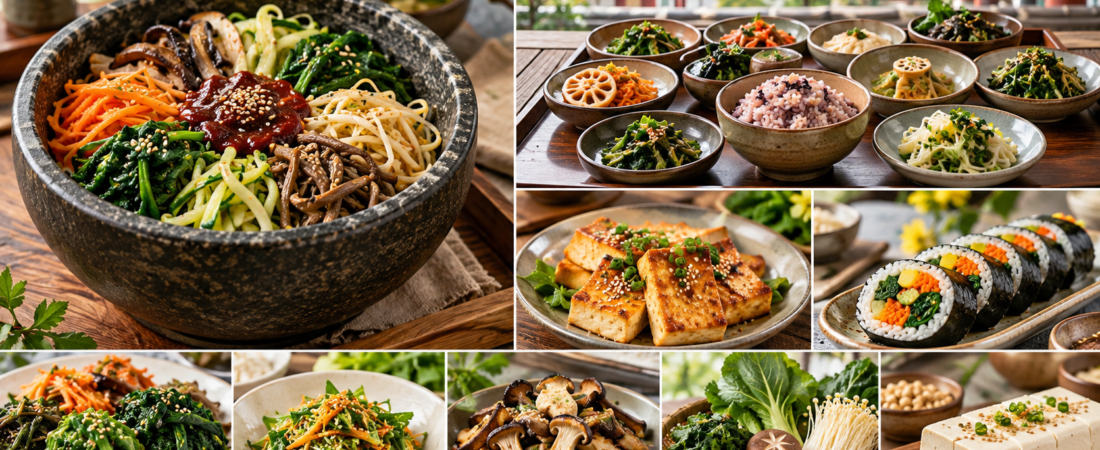
South Korea is famous for Korean barbecue, fried chicken, seafood stews, and flavorful street food. But what happens when you visit the country as a vegetarian? Is it possible to enjoy authentic Korean cuisine without eating meat, fish, or other animal products?
Being vegetarian in South Korea is absolutely possible, but it often requires more preparation than travelers expect.
Although Korean cuisine includes an impressive variety of vegetables, tofu, rice, mushrooms, and plant-based ingredients, many traditional dishes contain hidden animal products. Fish sauce, anchovy broth, salted shrimp, and meat-based seasonings can appear in foods that look completely vegetarian.
The good news is that vegetarian travelers have more options than they might initially realize. Buddhist temple cuisine, vegetable-based rice dishes, specialty restaurants, and growing interest in plant-based eating all provide opportunities to discover another side of Korean food.
This guide explains the biggest challenges of being vegetarian in South Korea, how to recognize hidden ingredients, what to ask at restaurants, and how to enjoy a rewarding vegetarian food experience during your trip.
Is South Korea a Vegetarian-Friendly Country?
South Korea can be vegetarian-friendly, but your experience depends on your dietary requirements, destination, and willingness to ask questions about food preparation.
In major cities such as Seoul and Busan, vegetarian travelers can find dedicated plant-based restaurants, international cuisine, and grocery stores with vegetarian-friendly products.
However, traditional Korean restaurants do not always provide clearly labeled vegetarian menus. Even dishes made primarily with vegetables may contain fish broth, seafood-based seasonings, or small amounts of meat.
The Korea Tourism Organization advises vegetarian visitors to explain their dietary needs clearly because meat and fish stocks are common in Korean cooking.
This difference is especially important for American travelers who may be accustomed to restaurant menus that identify vegetarian or vegan dishes with symbols.
Vegetarian vs. Vegan in South Korea
Not everyone who identifies as vegetarian follows the same dietary rules.
An ovo-lacto vegetarian generally avoids meat, fish, and seafood but eats eggs and dairy products.
A vegan avoids animal-derived foods, including meat, fish, seafood, eggs, dairy, and typically honey.
A pescatarian avoids meat from land animals but eats fish and seafood.
These differences have practical consequences in Korea.
For example, a vegetable rice dish containing egg might be acceptable for some vegetarians but unsuitable for vegans. A soup made with anchovy broth would generally be unacceptable to vegetarians who avoid fish, even if it contains no visible seafood.
Before your trip, identify which ingredients you avoid and prepare a clear Korean-language explanation.
Why Can Being Vegetarian in South Korea Be Difficult?
The main challenge is not a shortage of vegetables. It is the frequent use of animal-derived ingredients in traditional cooking.
Korean dishes often combine vegetables with seafood seasonings, meat stock, or fermented ingredients to develop their characteristic flavors.
These additions may be difficult to recognize simply by examining a finished dish.
1. Hidden Fish Sauce in Korean Food
Fish sauce, called aekjeot (액젓), is used in various Korean recipes.
It adds a savory flavor and is particularly common in certain kinds of kimchi.
Salted fermented shrimp, called saeujeot (새우젓), may also appear in kimchi, side dishes, sauces, and soups.
A bowl of vegetables seasoned with seafood products is not suitable for someone following a strict vegetarian diet.
When ordering, ask whether the food contains fish sauce or salted seafood rather than simply asking if it contains meat.
2. Anchovy Broth in Soups and Noodles
Anchovy broth is another significant challenge.
Many Korean soups and stews use dried anchovies to create a flavorful base. Some recipes combine anchovies with kelp, vegetables, and other ingredients.
Even if the finished soup contains tofu, mushrooms, and vegetables, its broth may not be vegetarian.
Examples that require checking include:
- Doenjang jjigae (soybean paste stew)
- Sundubu jjigae (soft tofu stew)
- Vegetable noodle soups
- Some varieties of seaweed soup
- Certain rice cake soups
Ask whether a soup uses vegetable stock or anchovy stock before ordering.
Removing visible pieces of meat does not eliminate animal ingredients already present in the broth.
3. Kimchi Is Not Always Vegetarian
Kimchi is one of Korea’s most recognizable foods.
Because its main ingredients are vegetables, many international travelers assume that all kimchi is vegetarian.
However, traditional kimchi frequently includes fish sauce, salted shrimp, or other seafood-based seasonings.
Different restaurants, households, and manufacturers use different recipes.
Fortunately, vegetarian and vegan kimchi varieties are available.
Look for products specifically labeled vegan or ask whether a restaurant prepares its kimchi without animal-derived ingredients.
Never assume that white kimchi or another mild-looking variety is automatically vegetarian.
4. Meat Can Appear in Unexpected Places
Korean vegetable dishes sometimes contain small quantities of meat or processed seafood.
For example, vegetable gimbap may include ham, fish cake, imitation crab, or egg.
Fried rice may contain finely chopped meat.
Vegetable dumplings may contain pork mixed with tofu and vegetables.
Even a seemingly simple side dish might contain fish-based seasoning.
The safest approach is to check the actual ingredients rather than relying exclusively on the name of the dish.
How Difficult Is Vegetarian Eating in Seoul Compared With Smaller Cities?
Location can make a significant difference.
South Korea’s larger cities generally offer more varied dining choices than small towns and remote areas.
However, a smaller city may still have suitable restaurants, Buddhist temple cuisine, fresh produce markets, and grocery stores.
Vegetarian Eating in Seoul
Seoul is generally one of the most convenient destinations for vegetarian travelers.
The city offers a mixture of traditional Korean food, international restaurants, specialty vegan businesses, and modern cafés.
Neighborhoods worth exploring include Hongdae, Itaewon, Insadong, and areas around major universities.
Hongdae is known for its youthful atmosphere and independent dining culture.
Itaewon has a long history of international restaurants serving diverse cuisines.
Insadong is particularly interesting for travelers who want to experience Korean temple-inspired dishes and traditional vegetable-centered meals.
Nevertheless, restaurant menus and operating hours change, so check current details before visiting.
Vegetarian Eating in Busan
Busan offers vegetarian dining opportunities, although visitors may need to research their choices more carefully.
The city is well known for seafood, fish cakes, and coastal food culture.
Vegetarian travelers should pay particular attention to broth and seafood seasonings.
International restaurants, vegetable-based dishes, and grocery stores can provide alternatives when traditional seafood restaurants do not have suitable meals.
Staying near a well-connected neighborhood can make restaurant searching and grocery shopping easier.
Vegetarian Eating in Rural South Korea
Vegetarian travel in small towns can require extra planning.
Some restaurants specialize in only one or two dishes, making ingredient substitutions difficult.
Local menus may be written entirely in Korean, and restaurant staff may not be familiar with strict vegan requirements.
Travelers should consider carrying snacks, visiting supermarkets, and saving restaurants in advance.
Accommodation with a small kitchen can also be useful, especially for longer stays.
What Traditional Korean Foods Can Vegetarians Eat?
Despite the challenges, traditional Korean cuisine offers many dishes that can be prepared without meat or seafood.
The important distinction is between a dish that is naturally suitable for your diet and one that must be modified.
Bibimbap: A Flexible Korean Rice Dish
Bibimbap consists of rice topped with vegetables and other ingredients.
Common vegetable toppings include spinach, bean sprouts, carrots, mushrooms, and zucchini.
However, traditional restaurant versions may include beef and a fried egg.
Vegetarians who avoid meat can request bibimbap without beef.
Vegans should also request the removal of eggs and confirm the ingredients in the sauce.
Some restaurants offer vegetable bibimbap designed specifically for plant-based customers.
Ordering tip: Ask whether the vegetables and sauce contain fish sauce or meat-based seasoning.
Kongguksu: Cold Soybean Noodles
Kongguksu is a Korean noodle dish served in a cold, creamy soybean broth.
It is particularly popular during the summer.
The soybean soup is typically made from ground soybeans and water, providing a rich texture without requiring milk or cream.
Some restaurants garnish the dish with egg, so vegan travelers should request it without egg and check the noodles’ ingredients.
Because recipes vary, confirm that the broth contains no animal-derived additions.
Vegetable Gimbap
Gimbap consists of seasoned rice and fillings rolled in dried seaweed.
Vegetable-based versions may contain carrots, spinach, pickled radish, cucumber, and burdock root.
However, a product sold as vegetable gimbap may still contain egg, ham, or fish cake.
Ask about each filling before purchasing it.
Dedicated vegan gimbap is a more reliable choice for travelers who want to avoid making multiple substitutions.
Korean Vegetable Pancakes
Vegetable pancakes, called chaeso jeon, can be a satisfying vegetarian option.
Other varieties include potato pancakes, mushroom pancakes, and green onion pancakes.
Nevertheless, some recipes contain eggs, seafood, or animal-based seasonings.
Green onion pancakes may be prepared with seafood even when the menu description focuses on vegetables.
Vegetarians should confirm the ingredients in both the pancake batter and dipping sauce.
Tofu-Based Dishes
Tofu is widely used in Korean cooking and provides a useful plant protein source.
Simple tofu dishes can be particularly convenient when prepared with vegetable-based seasonings.
However, spicy soft tofu stew often contains seafood, meat, or anchovy stock.
Braised tofu may also be seasoned with animal-derived ingredients.
Plain tofu and clearly labeled vegetarian tofu dishes are more predictable options than assuming every tofu stew is vegetarian.
For more ideas, explore our related TIPVERO guide, Best Vegetarian Foods to Try in South Korea for First-Time Visitors.
Korean Buddhist Temple Food: A Valuable Option for Vegetarians
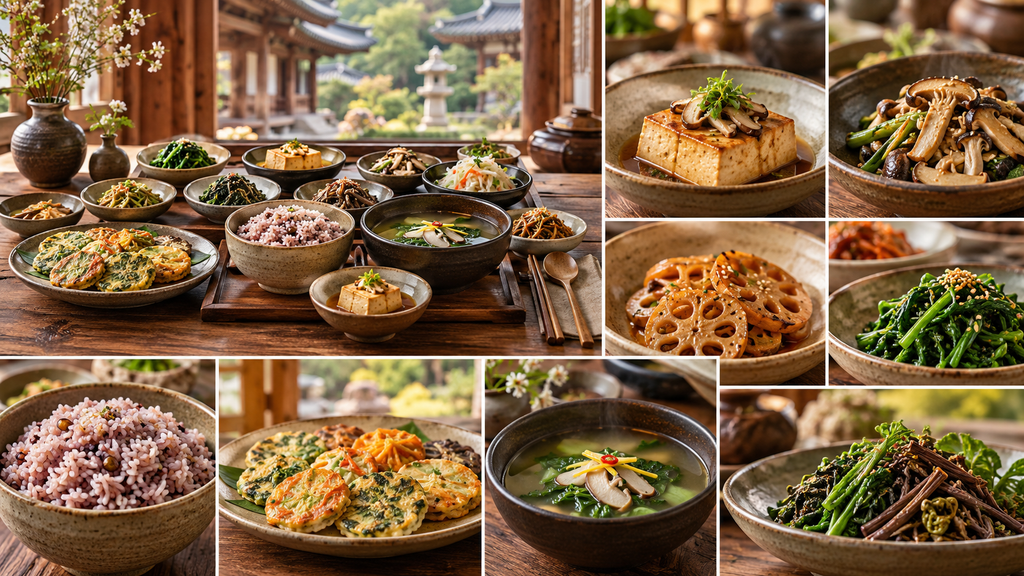
One of the most interesting vegetarian dining traditions in South Korea comes from Buddhist temples.
Korean Buddhist temple food, known as sachal eumsik (사찰음식), emphasizes seasonal vegetables, grains, mushrooms, and natural flavors.
Instead of relying on meat and seafood, temple-style cooking often develops flavor through fermented soybean products, vegetables, seaweed, and mushrooms.
Traditional temple cooking also avoids several pungent vegetables, including garlic and green onions.
Why Temple Food Is Different
Temple cuisine is closely connected with Buddhist spiritual practices.
Meals may emphasize simplicity, appreciation for ingredients, seasonal produce, and reducing waste.
Dishes can include seasoned mountain vegetables, rice, mushrooms, tofu, and carefully prepared soups.
The emphasis is not simply on finding substitutes for meat.
Instead, vegetables and grains are treated as central ingredients that deserve attention.
Where Can Travelers Try Temple Food?
Visitors can experience temple cuisine through specialized restaurants and selected Buddhist cultural programs.
Seoul’s Jongno area is a useful starting point for travelers interested in traditional Korean cuisine.
Some temple food restaurants serve elaborate multi-course meals, while others offer simpler dishes.
Temple cuisine is generally well suited to vegetarians, although strict vegans should confirm individual ingredients because practices and restaurant interpretations may vary.
For travelers who want to experience Korean culinary traditions without relying on meat or seafood, temple food can become one of the highlights of the trip.
How to Order Vegetarian Food in Korean Restaurants
Language can be one of the biggest obstacles for international visitors.
A restaurant employee may understand the word “vegetarian” differently from a traveler who avoids all animal-derived ingredients.
Rather than relying on one general label, explain exactly what you cannot eat.
Essential Korean Phrases for Vegetarians
| English | Korean |
|---|---|
| I am vegetarian. | 저는 채식주의자예요. |
| I do not eat meat. | 저는 고기를 먹지 않아요. |
| I do not eat fish or seafood. | 저는 생선이나 해산물도 먹지 않아요. |
| Does this contain fish sauce? | 이 음식에 액젓이 들어가나요? |
| Does this contain anchovy broth? | 이 음식에 멸치 육수가 들어가나요? |
| Please leave out the meat. | 고기는 빼 주세요. |
| Please leave out the egg. | 계란은 빼 주세요. |
| Is this vegan? | 이 음식은 비건 음식인가요? |
Save these sentences on your phone before arriving in Korea.
A written explanation is especially helpful when communicating with busy restaurant employees.
A Korean Message for Strict Vegetarians
You can show the following message to restaurant staff:
저는 채식주의자입니다. 고기, 생선, 해산물, 멸치 육수, 액젓, 새우젓이 들어간 음식을 먹지 않습니다. 이런 재료 없이 조리할 수 있나요?
Translation:
“I am vegetarian. I do not eat meat, fish, seafood, anchovy broth, fish sauce, or salted shrimp. Can this dish be prepared without these ingredients?”
For vegan travelers, add:
계란, 우유, 치즈, 버터도 먹지 않습니다.
This means:
“I also do not eat eggs, milk, cheese, or butter.”
These explanations will not guarantee that every restaurant can prepare a suitable meal, but they make your requirements much clearer.
Are Korean Street Foods Vegetarian-Friendly?
Korean street food is exciting, affordable, and popular with international visitors.
However, vegetarians should approach street food carefully.
Street vendors often prepare dishes in advance, use shared cooking equipment, or rely on sauces that contain animal-derived ingredients.
Tteokbokki
Tteokbokki consists of chewy rice cakes served in a spicy sauce.
Although the rice cakes themselves are often made without animal ingredients, the sauce may contain anchovy stock or seafood seasoning.
Fish cakes are also commonly served with tteokbokki.
If you follow a vegetarian diet, confirm the broth and sauce rather than simply asking for the fish cakes to be removed.
Hotteok
Hotteok is a Korean sweet pancake traditionally associated with fillings such as brown sugar, cinnamon, and nuts or seeds.
Some versions are suitable for vegetarians, but the dough may contain milk, eggs, or butter.
This makes it particularly important for vegans to ask about the preparation.
Roasted Sweet Potatoes and Chestnuts
Roasted sweet potatoes and roasted chestnuts can be convenient plant-based snacks when prepared without animal ingredients or toppings.
These simple foods are especially appealing during cooler weather.
They also offer an opportunity to try traditional seasonal Korean street snacks without depending on complicated sauces.
Vegetable Snacks
Fresh fruit, plain rice cakes, and selected vegetable-based snacks may be useful alternatives.
However, ingredients and preparation methods vary.
If a vendor cannot confirm what is in a prepared food, choosing a simpler snack can reduce uncertainty.
To learn more about Korea’s broader street food culture, read TIPVERO’s Korean Street Food Guide.
Can Vegetarians Find Food in Korean Convenience Stores?
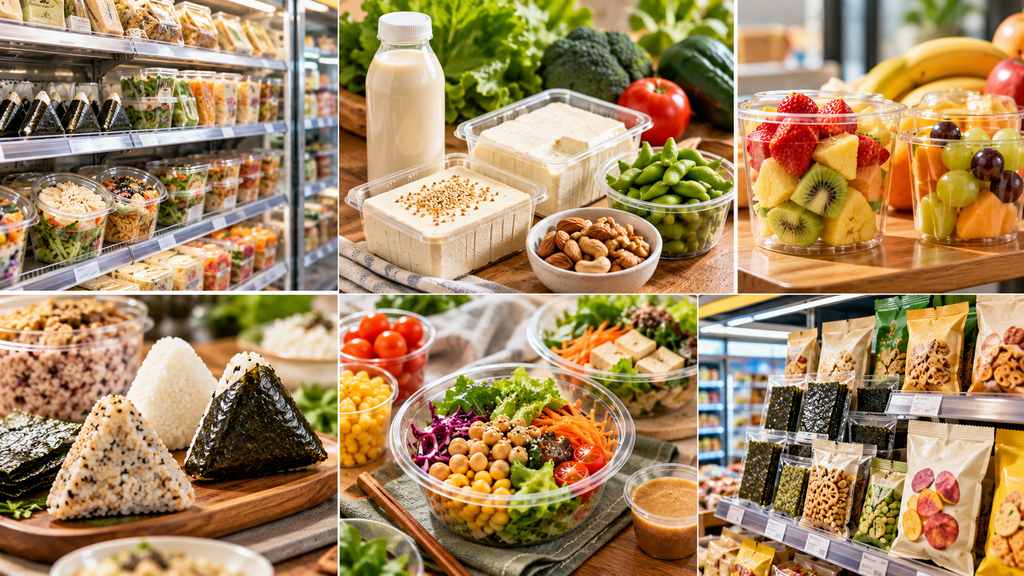
Convenience stores are widespread in South Korea and can be useful when restaurants are closed or suitable options are difficult to find.
Major convenience store chains sell drinks, snacks, instant meals, rice products, and packaged foods.
But convenience does not automatically mean vegetarian suitability.
Foods Worth Checking
Potential options include:
- Fresh fruit
- Plain nuts and seeds
- Selected rice cakes
- Soy milk
- Packaged salads
- Plain rice
- Clearly labeled vegetarian meals
- Vegan-certified snacks
Always inspect packaging before purchasing.
Some apparently simple snacks contain dairy, gelatin, seafood extracts, or meat-based flavorings.
Be Careful With Instant Noodles
Instant noodles are especially popular among visitors to Korea.
Unfortunately, many varieties use animal-derived ingredients in the soup powder or seasoning oil.
A product with a vegetable picture on the package is not necessarily vegetarian.
Look for clearly identified vegan products and inspect ingredient lists carefully.
How to Read Korean Food Labels
Learning a few Korean ingredient words can help travelers make safer purchases.
| Korean | English |
|---|---|
| 소고기 | Beef |
| 돼지고기 | Pork |
| 닭고기 | Chicken |
| 멸치 | Anchovy |
| 액젓 | Fish sauce |
| 새우젓 | Salted shrimp |
| 우유 | Milk |
| 계란 | Egg |
| 버터 | Butter |
| 굴소스 | Oyster sauce |
A translation application can help interpret longer ingredient lists.
However, automatic translations are not always perfect, especially for compound seasonings or unfamiliar food additives.
For strict dietary requirements, products with reliable vegan certification can simplify shopping.
Is Vegetarian Food Expensive in South Korea?
Vegetarian meals in South Korea can be affordable or expensive depending on the type of restaurant and food you choose.
Ordinary rice, vegetables, tofu, and seasonal produce can support relatively economical meals.
Specialty vegan restaurants, imported plant-based products, and elaborate temple-food courses may cost more.
Budget-Friendly Vegetarian Strategies
Shopping at traditional markets and supermarkets can help travelers manage food expenses.
Rice, tofu, fresh vegetables, fruit, and packaged plant-based foods provide opportunities to create simple meals.
Small restaurants serving vegetable-based dishes can also be economical when suitable modifications are available.
A traveler staying in accommodation with cooking facilities may find it easier to control both costs and ingredients.
When Specialty Restaurants Are Worth Paying More
Dedicated vegetarian and vegan restaurants offer benefits beyond convenience.
Their menus may clearly identify plant-based ingredients, reducing the need for lengthy explanations.
Some also provide creative interpretations of Korean dishes traditionally prepared with meat or seafood.
For a traveler with strict dietary restrictions, paying more for a clearly suitable meal can be worthwhile.
Planning a Reasonable Food Budget
Instead of assuming every vegetarian meal will cost less than a meat-based meal, compare the actual restaurant options available near your accommodation.
Prices vary between neighborhoods, restaurant styles, and tourist areas.
A balanced plan could include a combination of inexpensive grocery meals, vegetable-based restaurant dishes, and an occasional specialty dining experience.
For additional food budgeting ideas, see Myeongdong on a Budget: 10 Meals on TIPVERO.
What About Vegetarian Breakfast in South Korea?
Breakfast can be surprisingly challenging for visitors who expect Western-style vegetarian choices at every hotel or neighborhood restaurant.
Traditional Korean breakfast menus may include rice, soup, kimchi, and several side dishes.
Although the meal looks vegetable-heavy, soup broth and side-dish seasonings may contain seafood or meat.
Hotel Breakfast
Some hotels offer buffet breakfasts with fruit, bread, cereals, salads, and cooked dishes.
These can provide convenient choices for ovo-lacto vegetarians.
Strict vegans should verify dairy, egg, butter, and other hidden ingredients.
Bread and pastries are not automatically vegan.
Cafés and Bakeries
Korean cafés often serve coffee, tea, baked goods, sandwiches, and desserts.
Vegetarian travelers may find several suitable choices, but vegans need to check dairy and egg ingredients.
Plant-based milk may be offered at some cafés, although availability varies.
Self-Catering Breakfast
For travelers who prefer predictable meals, a supermarket breakfast can be practical.
Fruit, oats, soy milk, nuts, and suitable bread can provide a convenient start to the day.
Buying a few familiar foods can also reduce the pressure to locate a specialist restaurant every morning.
How Do Social Dining Customs Affect Vegetarians?
Food plays an important social role in South Korea.
Families, friends, and coworkers frequently gather around shared meals.
Korean barbecue, hot pot, seafood dishes, and shared stews are common group-dining experiences.
These traditions can create challenges for vegetarians when a restaurant specializes in one type of food.
Korean Barbecue Restaurants
Many barbecue restaurants focus primarily on meat.
Some offer vegetables, mushrooms, rice, and side dishes, but these choices do not necessarily create a complete vegetarian meal.
Shared grills and cooking surfaces can also be a concern for strict vegetarians who avoid cross-contact with meat.
When dining with a group, it helps to check the menu before choosing a restaurant.
Shared Side Dishes
Traditional Korean meals frequently include banchan, small side dishes placed in the center of the table.
These may include vegetables, kimchi, tofu, seaweed, and other foods.
Not all banchan are vegetarian.
Some contain dried anchovies, fish sauce, salted shrimp, or meat-based seasonings.
Ask about unfamiliar side dishes rather than assuming that everything without visible meat is suitable.
Explaining Your Diet Politely
A clear and friendly explanation usually works better than a complicated request.
For example, you can say that you cannot eat meat, fish, or seafood and ask which menu items might be suitable.
If the kitchen cannot make a dish without animal-based broth, recognize that the broth may have been prepared in advance.
Choosing another dish or restaurant can be easier than requesting major alterations to a fixed recipe.
How Can Vegetarian Travelers Plan a Successful Korea Trip?
Preparation can dramatically improve the vegetarian travel experience.
You do not need to organize every meal before departure, but identifying reliable options will make travel less stressful.
Step 1: Research Restaurants Near Your Accommodation
Before booking a hotel, examine the surrounding neighborhood.
Look for vegetarian-friendly restaurants, grocery stores, international dining options, and public transportation connections.
Being close to several food choices is helpful after a long sightseeing day.
Step 2: Save Korean Restaurant Names and Addresses
Restaurants may be easier to locate using their Korean names.
Save the Korean spelling of important destinations, especially in areas where English-language signs are limited.
Local map services can help you locate restaurants and review updated business information.
Step 3: Prepare a Dietary Translation Card
Save a Korean message describing exactly which ingredients you avoid.
Include fish sauce, salted seafood, and broth if these are important to your dietary requirements.
A screenshot can be useful when mobile internet access is unreliable.
Step 4: Plan Backup Meals
Pack a few suitable snacks or purchase familiar grocery items when you arrive.
A backup meal becomes valuable during long train journeys, remote sightseeing trips, or unexpected restaurant closures.
Step 5: Choose Accommodation Carefully
Travelers visiting smaller cities or rural areas may benefit from accommodation with cooking facilities.
A refrigerator and simple kitchen equipment can make it easier to prepare meals with ingredients you trust.
Step 6: Try Korean Temple Cuisine
Include at least one traditional temple-food experience in your itinerary.
It provides an opportunity to explore Korean culinary culture from a different perspective.
It can also introduce ingredients and cooking techniques that are less familiar to Western travelers.
Step 7: Stay Flexible
Not every restaurant will be able to accommodate your diet.
Keeping several options available allows you to enjoy your trip without making every meal a complicated negotiation.
Is South Korea Easier for Vegetarians Than Vegans?
In many situations, yes.
Vegetarians who eat eggs and dairy have more options than travelers who avoid all animal products.
For example, a meat-free bibimbap containing egg may work for an ovo-lacto vegetarian.
A bakery sandwich containing cheese might also be acceptable.
A vegan would need to avoid both.
However, even ovo-lacto vegetarians still need to watch for seafood products.
Fish sauce, shrimp paste, and anchovy broth are not vegetarian simply because they are used as seasonings.
For strict vegans, the most reliable strategies include choosing verified plant-based restaurants, carefully checking packaged foods, and exploring suitable temple cuisine.
Is It Harder to Be Vegetarian in South Korea Than in the United States?
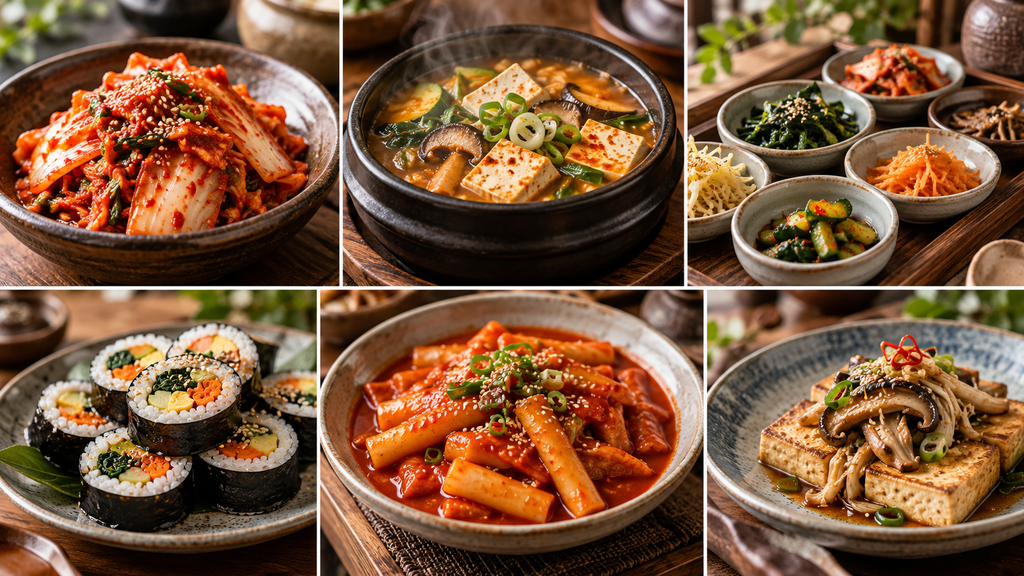
The answer depends on where you live, what you eat, and the restaurants you normally visit.
In many American cities, menus routinely identify vegetarian and vegan options.
Restaurants may also offer familiar meat substitutes, dairy-free alternatives, and customizable dishes.
In South Korea, certain traditional restaurants may have fewer clearly marked vegetarian choices.
However, Korean cuisine also provides a strong foundation of grains, vegetables, tofu, mushrooms, and fermented foods.
The difference is often not the availability of plant ingredients but the way those ingredients are combined with animal-derived seasonings.
For an American traveler, learning how Korean dishes are prepared can be more useful than simply searching for foods that look familiar.
Rather than treating traditional cuisine as off-limits, approach it with curiosity and precise questions about ingredients.
Common Mistakes Vegetarian Travelers Make in Korea
Several avoidable mistakes can complicate a vegetarian trip.
Assuming All Kimchi Is Vegan
Kimchi frequently contains seafood-based seasonings.
Choose clearly labeled vegan varieties or confirm how the kimchi was prepared.
Assuming Tofu Soup Is Vegetarian
Tofu does not guarantee that the accompanying broth is meat-free or seafood-free.
Always check the soup base.
Ordering Vegetable Gimbap Without Checking
Vegetable gimbap can still include egg, ham, fish cake, or imitation crab.
Review the fillings before purchasing.
Relying Only on Pictures
A restaurant photograph cannot show whether a sauce contains oyster extract or a broth contains anchovies.
Ingredient information is more important than appearance.
Expecting Every Restaurant to Customize Its Menu
Some Korean restaurants prepare large quantities of broth or specialize in fixed dishes.
It may not be possible to remove animal ingredients after cooking.
Researching another option is often the more practical solution.
Forgetting About Side Dishes
Even when the main dish is vegetarian, complementary side dishes may contain seafood ingredients.
Treat each unfamiliar dish as something worth checking.
Frequently Asked Questions About Being Vegetarian in South Korea
1. Can you survive as a vegetarian in South Korea?
Yes. Vegetarian travelers can find suitable meals through plant-based restaurants, selected traditional dishes, temple cuisine, supermarkets, and self-catering. Understanding hidden animal ingredients makes the experience much easier.
2. Is Seoul good for vegetarians?
Seoul is generally one of the most convenient Korean cities for vegetarian travelers because it offers specialty restaurants, international cuisine, and a wide variety of grocery stores. Nevertheless, traditional restaurant dishes still require ingredient checks.
3. Is Korean kimchi vegetarian?
Not always. Many kimchi recipes contain fish sauce or salted shrimp. Vegetarian and vegan alternatives exist, but it is important to confirm the ingredients.
4. Is bibimbap vegetarian?
Bibimbap can be prepared as a vegetarian dish, but restaurant versions often include beef and egg. Request suitable modifications and check the sauce and seasonings.
5. Is Korean temple food vegan?
Traditional Korean Buddhist temple food generally excludes meat and seafood and is largely plant-based. However, some interpretations may include dairy, so strict vegans should confirm the ingredients.
6. Can vegetarians eat Korean street food?
Yes, but they must be selective. Roasted sweet potatoes, chestnuts, and certain other snacks may be suitable, while tteokbokki, pancakes, and prepared sauces require additional checks.
7. Is vegetarian food expensive in Korea?
Not necessarily. Simple meals featuring rice, tofu, vegetables, and seasonal produce can be affordable. Specialty vegan restaurants and elaborate temple-food courses may cost more.
8. Can I find vegetarian food outside Seoul?
Yes. Vegetarian options exist in other cities and rural areas, although they may require more research. Grocery shopping, suitable local dishes, and accommodation with cooking facilities can help.
Final Thoughts: How Hard Is It Really to Be Vegetarian in South Korea?
Being vegetarian in South Korea is manageable, but it rewards travelers who prepare in advance.
The biggest challenge is usually not finding vegetables. It is understanding how traditional Korean dishes use fish sauce, seafood seasonings, anchovy broth, and meat-based ingredients.
Once you know what to look for, the situation becomes much less intimidating.
Vegetable bibimbap, carefully prepared gimbap, soybean noodles, tofu dishes, and Buddhist temple cuisine offer rewarding opportunities to experience Korean food.
Seoul and other major cities provide additional options through plant-based restaurants and international cuisine.
For travelers exploring smaller towns, carrying snacks and preparing Korean dietary phrases can make a meaningful difference.
Above all, remember that Korean cuisine is more diverse than barbecue and seafood.
Its longstanding traditions of vegetable preparation, fermentation, grains, and temple cooking demonstrate how satisfying meat-free Korean meals can be.
With patience, curiosity, and a little preparation, being vegetarian in South Korea can become an opportunity to discover a fascinating part of the country’s food culture.
Planning your first Korean food adventure? Explore more practical travel and dining guides on TIPVERO.