The Complete Sokcho South Korea Travel Guide for 2026
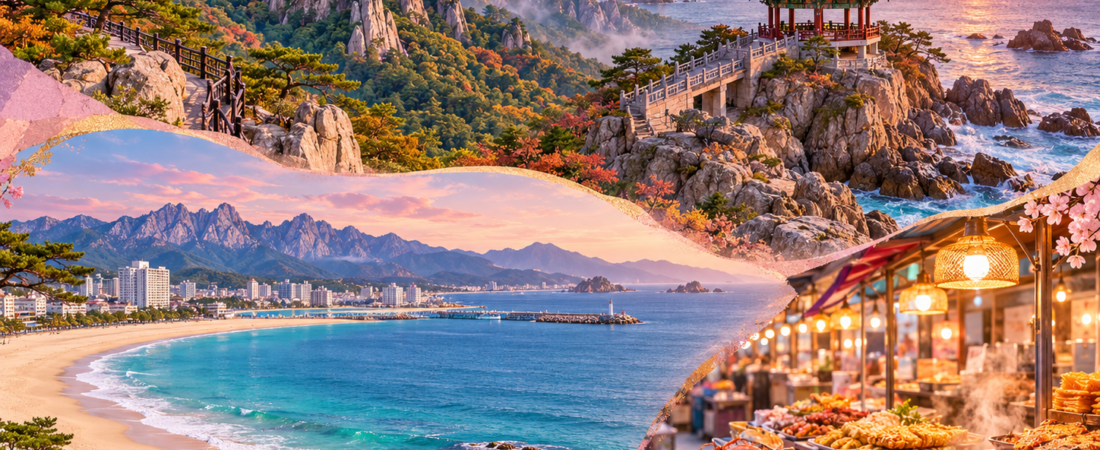
Sokcho South Korea travel offers something that few destinations can provide in one convenient location: breathtaking mountains, sandy beaches, scenic lakes, traditional seafood markets, and a fascinating local history.
Located on South Korea’s northeastern coast in Gangwon State, Sokcho is a destination where travelers can enjoy the dramatic scenery of Seoraksan National Park in the morning and relax beside the East Sea later in the day.
Unlike Seoul, which is known for its bustling streets and modern entertainment districts, Sokcho invites travelers to experience a different side of Korean life.
The city combines spectacular natural landscapes with traditional markets, fishing communities, seaside cafés, and peaceful walking trails.
For international visitors planning a trip beyond South Korea’s most famous cities, Sokcho offers a compelling combination of outdoor adventure and coastal relaxation.
But why is Sokcho considered one of Korea’s best mountain and beach destinations? What makes it different from Busan, Jeju Island, or other popular Korean vacation spots?
This comprehensive guide explores Sokcho’s beautiful mountains, famous beaches, local cuisine, cultural attractions, transportation, accommodation, and practical travel tips for 2026.
1. Sokcho Offers Mountains and Beaches in One Destination
One of Sokcho’s greatest advantages is its geography.
The city sits between the East Sea and the towering mountains of the Seoraksan region.
This location allows visitors to enjoy remarkably different landscapes without traveling between distant cities.
In the morning, travelers can explore forest trails, mountain valleys, and rocky peaks.
In the afternoon, they can relax along a sandy shoreline, visit a coastal café, or explore a traditional seafood market.
The contrast creates an unusually varied travel experience.
Many destinations are primarily known for either mountains or beaches.
Sokcho is appealing because both environments play an important role in its identity.
Why Is This Combination Special?
Travelers often have limited time during an international vacation.
Visiting separate mountain and beach destinations can require additional transportation, hotel changes, and planning.
Sokcho offers the opportunity to experience both within a relatively compact region.
Families can divide their days between outdoor adventures and relaxing activities.
Couples can combine scenic mountain excursions with romantic coastal sunsets.
Solo travelers can enjoy hiking, photography, cafés, and quiet walks beside the sea.
This flexibility makes Sokcho particularly attractive to visitors who enjoy nature but also appreciate the conveniences of a city.
2. Seoraksan National Park Is Sokcho’s Most Famous Natural Attraction
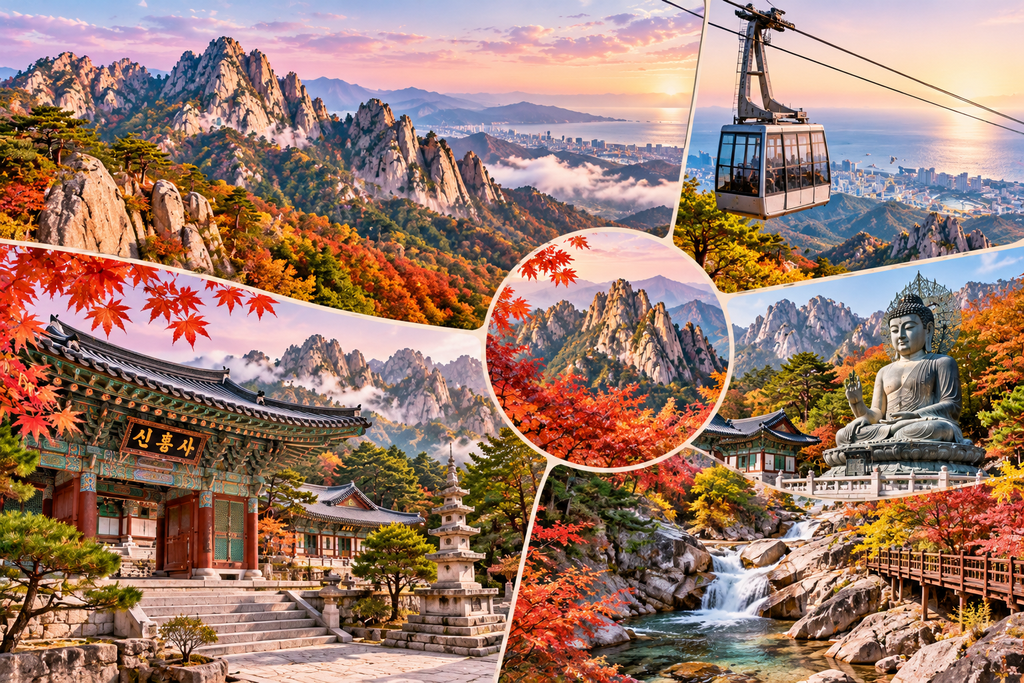
Seoraksan National Park is one of South Korea’s most celebrated mountain destinations.
The park is known for dramatic granite peaks, forested valleys, waterfalls, streams, Buddhist heritage, and seasonal scenery.
Its impressive landscape attracts hikers, photographers, and nature lovers from across South Korea and beyond.
Seoraksan’s main peak, Daecheongbong, rises approximately 1,708 meters above sea level.
The broader Mount Sorak region was designated a UNESCO Biosphere Reserve in 1982, recognizing its ecological significance.
The protected landscape supports a variety of plant and animal species and contains important natural habitats.
For visitors, Seoraksan provides an opportunity to experience Korean mountain scenery on a remarkable scale.
What Makes Seoraksan Different?
Seoraksan is particularly admired for its rugged rock formations.
Unlike gently rolling hills, many sections of the mountain feature sharp ridgelines, towering cliffs, and impressive valleys.
The scenery changes significantly with the seasons.
Spring introduces fresh greenery and flowering plants.
Summer brings dense forests and dramatic mountain landscapes.
Autumn transforms many valleys into colorful displays of red, orange, and yellow leaves.
Winter can cover higher elevations with snow, creating striking views.
The combination of geological features and seasonal beauty makes Seoraksan rewarding for repeat visits.
Is Seoraksan Suitable for Beginners?
Yes, parts of Seoraksan are accessible to casual visitors.
However, the national park contains routes with very different difficulty levels.
Some shorter trails offer relatively manageable walks, while advanced routes require significant physical fitness, preparation, and mountain experience.
Visitors should choose routes according to their ability rather than assuming all park trails are easy.
Weather, trail closures, and seasonal restrictions can affect access.
3. Seoraksan Cable Car Provides Spectacular Mountain Views
Not every visitor wants to undertake a demanding hike.
For travelers interested in mountain scenery without climbing long, steep trails, the Seoraksan cable car is a popular attraction.
The cable car takes passengers toward the Gwongeumseong area, providing elevated views of the surrounding mountains.
From the upper area, visitors can enjoy impressive panoramas and explore permitted viewpoints.
The experience is particularly attractive to photographers and families.
What Should Visitors Know About the Cable Car?
Cable car operation depends on weather and safety conditions.
Strong winds or poor visibility can interrupt service.
Ticketing procedures and operating schedules may also change.
Therefore, travelers should not build an entire itinerary around the assumption that the cable car will definitely operate.
It is wise to have a backup activity, such as visiting nearby temple grounds or exploring accessible park trails.
Visitors should also wear suitable footwear because walking surfaces near viewpoints may be uneven.
The cable car provides a scenic experience, but reaching some nearby viewpoints may still involve stairs or uphill walking.
4. Sinheungsa Temple Adds Cultural Meaning to a Mountain Visit
Seoraksan is not only a natural attraction.
The region also contains important Buddhist cultural heritage.
Sinheungsa Temple is one of the best-known religious sites near the park’s main visitor area.
The temple provides a peaceful setting surrounded by mountain scenery.
Traditional Korean architectural elements, stone structures, and Buddhist imagery create an atmosphere that differs from the busy beach districts of Sokcho.
One notable feature of the temple area is a large seated Buddha statue.
For travelers interested in Korean history and religion, Sinheungsa adds another dimension to a mountain excursion.
How Should Visitors Behave at a Korean Buddhist Temple?
Visitors should remember that Buddhist temples are religious sites rather than simply photography attractions.
Speak quietly near worshippers and follow posted rules.
Avoid entering restricted buildings or touching religious objects.
Photography may be limited in certain areas.
Respectful behavior helps preserve the experience for both visitors and the religious community.
Combining Sinheungsa with an appropriate Seoraksan walking route can create a rewarding half-day or longer excursion.
5. Sokcho Beach Is Ideal for Relaxation and Coastal Photography

After exploring Seoraksan, visitors can discover another side of Sokcho at Sokcho Beach.
Sokcho Beach is one of the city’s most recognizable attractions.
Its sandy shoreline, blue water, coastal facilities, and nearby restaurants make it a convenient destination for visitors who enjoy seaside environments.
The beach is located relatively close to Sokcho’s express bus terminal, which makes it accessible to travelers arriving without a car.
During the summer, the area becomes lively with beachgoers and vacation activities.
Outside the main swimming season, the beach remains attractive for walking, photography, and enjoying the ocean atmosphere.
What Makes Sokcho Beach Appealing?
One of the beach’s greatest attractions is its relationship with the surrounding city and mountain scenery.
Visitors can enjoy the openness of the East Sea while remaining close to restaurants, cafés, and local accommodations.
The shoreline also provides opportunities for photography.
Different times of day create distinct moods.
Morning light can produce beautiful ocean colors, while cloudy weather may create a peaceful atmosphere.
Because Sokcho faces the east coast, sunrise is especially memorable.
Can You Swim at Sokcho Beach?
Swimming opportunities depend on season, weather, water conditions, and local safety regulations.
Designated swimming seasons typically occur during summer, but exact dates can change.
Travelers should follow lifeguard instructions and posted safety notices.
Outside supervised swimming periods, the beach may still be suitable for walking and sightseeing.
6. Oeongchi Badahyanggiro Is a Beautiful Coastal Walking Trail
Visitors who enjoy ocean views should consider exploring the Oeongchi Badahyanggiro coastal trail.
This scenic route allows travelers to experience the coastline from a perspective different from the open sandy beach.
Sections of the walkway follow the rocky coast, providing views of waves, coastal formations, and the East Sea.
The experience is particularly appealing to people who enjoy gentle sightseeing walks combined with photography.
Why Is the Trail Worth Visiting?
Coastal walking trails encourage travelers to slow down.
Instead of focusing on reaching a particular destination, visitors can appreciate the movement of waves, changing light, and coastal scenery.
The surrounding landscape can feel especially refreshing after spending time in busy urban areas.
However, visitors should remember that coastal paths may be affected by storms, high waves, maintenance, or safety restrictions.
Check current access information before visiting.
Wear comfortable shoes and avoid entering closed sections.
For travelers who want an outdoor experience without a demanding mountain hike, this coastal walk can be a pleasant alternative.
7. Yeonggeumjeong Pavilion Is One of Sokcho’s Best Sunrise Spots
Yeonggeumjeong is a well-known coastal attraction associated with Sokcho’s rocky shoreline.
The area features a seaside pavilion and scenic views of the East Sea.
It is particularly popular with visitors interested in sunrise photography.
The location offers an opportunity to experience the dramatic relationship between coastal rock formations and open water.
Why Do Travelers Visit at Sunrise?
The East Sea faces the morning sun.
On clear mornings, the horizon can glow with warm colors as daylight appears over the water.
This creates an excellent setting for landscape photography.
Visitors may also enjoy the sound of waves reaching the rocks.
The atmosphere can feel very different from the city’s commercial streets and markets.
Is Sunrise Always Visible?
Weather conditions play a major role.
Cloud cover, rain, and sea mist may obstruct the horizon.
Travelers should approach sunrise viewing as an opportunity rather than a guaranteed experience.
Even when the sunrise is hidden, the pavilion and surrounding coast can provide attractive scenery.
8. Cheongcho Lake Adds Another Beautiful Landscape to Sokcho
Sokcho’s natural beauty is not limited to mountains and beaches.
The city is also home to scenic lakes.
Cheongcho Lake is a coastal lagoon located near central Sokcho.
The surrounding area offers opportunities for walks, photography, and enjoying views of the water and nearby urban landscape.
Unlike the open ocean, a lake can create a calmer visual atmosphere.
This makes Cheongcho Lake an attractive destination for visitors seeking a relaxed activity.
What Can Visitors Do Around Cheongcho Lake?
Travelers can explore lakeside walking areas, enjoy nearby cafés, and photograph the surrounding scenery.
Depending on the route, views may include the city’s buildings, natural surroundings, and distant mountain landscapes.
Cheongcho Lake also offers an interesting perspective on Sokcho’s geography.
The city contains multiple kinds of waterside environments, including the open sea, coastal lagoons, harbors, and streams.
These features contribute to the destination’s diversity.
9. Yeongnang Lake Is Perfect for a Peaceful Nature Walk
Yeongnang Lake is another notable natural attraction in Sokcho.
The lake is known for its scenic surroundings and views toward the mountains.
Visitors interested in walking, photography, and quiet outdoor activities may find it particularly appealing.
The atmosphere differs from the city’s more crowded beach and shopping districts.
Why Is Yeongnang Lake Special?
The combination of water, trees, and surrounding mountain scenery can create a peaceful experience.
Visitors can enjoy changing reflections on the lake and observe how the landscape looks different during each season.
Spring and autumn can be especially attractive for scenic walks.
The lake also provides another opportunity to appreciate the relationship between Sokcho’s mountains and coastal geography.
For travelers planning several days in the city, Yeongnang Lake can be a rewarding addition to the itinerary.
10. Sokcho’s Traditional Market Is a Major Food Attraction
One of the most enjoyable parts of visiting Sokcho is exploring its local food culture.
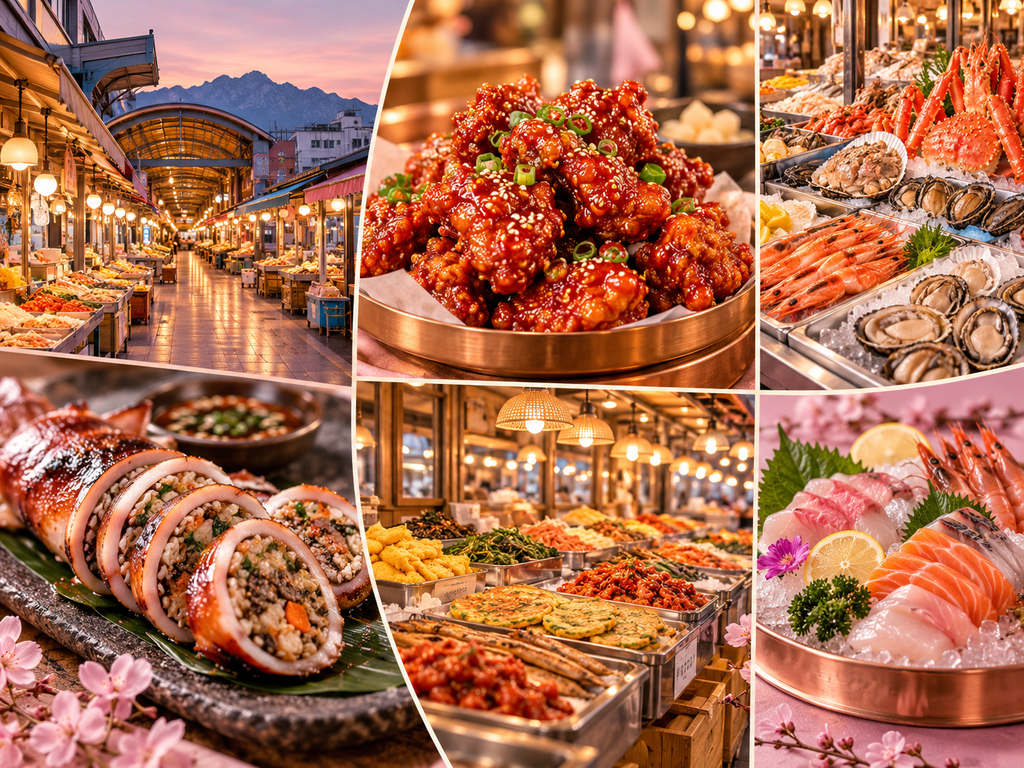
Sokcho Tourism and Fisheries Market, also commonly associated with the name Sokcho Jungang Market, is one of the city’s best-known shopping and dining attractions.
The market offers a combination of seafood, prepared dishes, snacks, ingredients, and other products.
Visitors can browse different sections and discover foods associated with the eastern coastal region.
What Foods Should You Try?
A famous market specialty is dakgangjeong, a Korean dish featuring pieces of fried chicken coated in a flavorful sauce.
Different vendors offer variations with different levels of sweetness, spice, and crispiness.
Seafood is another important part of the market.
Depending on seasonal availability, visitors may encounter fresh fish, dried seafood, shellfish, and prepared seafood dishes.
Ojingeo sundae, or stuffed squid, is another regional specialty worth exploring.
Abai sundae, a North Korean-influenced sausage dish, is also associated with Sokcho’s culinary identity.
Tips for Visiting the Market
Arrive with enough time to explore rather than immediately joining the longest line.
Check prices before purchasing food.
Some popular items may be sold in portions larger than an individual traveler needs.
Visitors with food allergies should ask about ingredients and preparation methods.
Because market hours vary by vendor, individual shops may open or close at different times.
11. Abai Village Reveals Sokcho’s Unique Cultural History
Sokcho has a fascinating connection to the history of the Korean Peninsula.
Abai Village developed as a community associated with refugees from northern Korea during and after the Korean War.
Many residents originally came from areas that became separated from South Korea.
The village’s name and local food traditions reflect this historical background.
Today, Abai Village offers visitors an opportunity to learn about displacement, family history, regional identity, and the preservation of cultural traditions.
What Is the Abai Village Ferry?
One of the area’s recognizable experiences is the gaetbae, a small ferry traditionally operated by pulling along a cable.
The ferry provides a distinctive local transportation experience.
Although the crossing is brief, it has become a symbolic part of Sokcho tourism.
Travelers should confirm current operating conditions and passenger requirements.
Why Is Abai Village Important?
Abai Village is more than a tourist attraction.
Its history reflects the human consequences of division on the Korean Peninsula.
Learning about the community helps visitors understand a deeper layer of South Korean history beyond modern entertainment and city sightseeing.
Local foods such as Abai sundae also demonstrate how migration influences regional cuisine.
Visitors should respect residential areas and treat community history thoughtfully.
12. Sokcho Is Famous for Seafood and Regional Korean Cuisine
Sokcho’s coastal location makes seafood an important part of its food culture.
Traditional restaurants, seafood markets, and casual dining establishments offer a variety of regional dishes.
Visitors may encounter grilled fish, fish soups, raw fish, squid dishes, and other seafood specialties.
The selection depends on season, availability, and individual restaurant menus.
What Makes Sokcho’s Food Culture Different?
The city’s cuisine reflects both its maritime environment and its historical connections to northern Korean food traditions.
Fresh coastal ingredients influence many local specialties.
At the same time, dishes associated with Abai Village reveal how population movement contributed to the development of local food culture.
This combination makes Sokcho particularly interesting for travelers who enjoy learning about history through food.
What About Vegetarian Travelers?
Visitors who avoid seafood or meat should take extra care when ordering.
Even dishes that appear to contain only vegetables may include anchovy broth, fish sauce, shrimp paste, or meat-based seasonings.
Vegetarian and vegan options may be available at selected restaurants, but travelers should verify ingredients.
Simple rice dishes, tofu preparations, or meals at restaurants that specialize in plant-based food may be useful alternatives.
13. Sokcho Has Beautiful Cafés with Ocean and Mountain Views
South Korea’s café culture is one of the attractions many international travelers enjoy.
Sokcho provides opportunities to experience that culture in scenic natural settings.
Some cafés emphasize ocean views, while others offer a relaxed atmosphere near lakes or mountain areas.
A café visit can be a welcome break between sightseeing activities.
Why Are Cafés Part of the Sokcho Experience?
Travel is not always about moving between major attractions.
Sometimes, sitting beside a window overlooking the sea can become one of the most memorable moments of a vacation.
Sokcho’s landscape provides a beautiful setting for enjoying coffee, tea, or dessert.
Different neighborhoods offer different experiences.
A coastal café may emphasize the sound and movement of the ocean.
A lakeside location may provide a more peaceful atmosphere.
A café near Seoraksan may offer dramatic mountain scenery.
Visitors should check opening hours and consider transportation when choosing locations outside the city center.
14. Sokcho vs. Busan vs. Jeju Island: Which Destination Is Better?
Travelers planning a South Korea itinerary often compare Sokcho with other coastal destinations.
Busan, Jeju Island, and Sokcho all provide opportunities to experience the sea, but their overall travel styles differ.
Destination Comparison
| Feature | Sokcho | Busan | Jeju Island |
|---|---|---|---|
| Main attraction | Mountains and beaches | Coastal metropolitan culture | Volcanic landscapes and island scenery |
| Famous natural site | Seoraksan National Park | Haeundae and Gwangalli beaches | Hallasan and coastal attractions |
| Atmosphere | Smaller coastal city | Large urban destination | Island vacation environment |
| Food identity | Seafood and northern-influenced dishes | Pork soup, seafood, milmyeon | Island specialties and seafood |
| Ideal traveler | Hiking and coastal nature lovers | City and beach lovers | Scenic road trips and nature exploration |
Which Should You Choose?
Sokcho is especially appealing to visitors interested in combining mountain scenery with coastal relaxation.
Busan may be more suitable for travelers seeking the convenience and energy of a large city.
Jeju Island may appeal to those interested in volcanic landscapes, longer scenic excursions, and an island vacation.
There is no universally best destination.
The right choice depends on personal interests, available time, and preferred travel style.
15. When Is the Best Time to Visit Sokcho?
Sokcho offers different experiences throughout the year.
Spring: Fresh Mountain Scenery
Spring brings new greenery and seasonal flowers.
It can be a pleasant time for coastal walks and lower-elevation sightseeing.
Higher mountain trails may still experience colder conditions, so visitors should prepare carefully.
Summer: Beaches and Outdoor Activities
Summer is particularly popular for beach vacations.
Travelers can enjoy the lively coastal atmosphere, seaside cafés, and seasonal recreation.
However, summer can also bring high humidity, heavy rain, and crowded attractions.
Autumn: Spectacular Mountain Foliage
Autumn is one of the most celebrated seasons for visiting Seoraksan.
The mountain’s forests display seasonal colors that attract photographers and hikers.
Peak foliage timing changes from year to year.
Popular trails and transportation routes may become crowded during the busiest weekends.
Winter: Snow-Covered Mountain Landscapes
Winter creates a dramatic contrast between snowy mountain scenery and the cold East Sea.
Visitors may enjoy photography, cafés, and coastal sightseeing.
However, mountain trails can be icy or closed because of weather conditions.
Winter hiking requires appropriate preparation and experience.
For many travelers who prioritize mountain sightseeing, autumn is particularly attractive, while summer is more suitable for a traditional beach vacation.
16. How to Get to Sokcho from Seoul
Sokcho is a popular getaway from Seoul.
For many travelers, express or intercity buses are a practical transportation choice.
Travel time commonly takes around two and a half to three hours or longer, depending on the departure terminal, road conditions, and traffic.
Weekend congestion can increase the journey significantly.
Is There a Direct KTX Train to Sokcho?
As of this guide’s preparation, travelers should not assume that a direct operating KTX service from Seoul to central Sokcho is available.
Rail infrastructure and transportation plans can change, so confirm current routes rather than relying on an outdated itinerary.
Getting Around Sokcho
Local buses and taxis connect major destinations.
However, Seoraksan National Park, coastal viewpoints, and some cafés are spread across different areas.
Travelers without a car should plan their routes carefully.
Grouping nearby attractions into the same day can reduce travel time.
For example, spend one day exploring Seoraksan and another enjoying the beach, market, and central coastal attractions.
17. Where Should You Stay in Sokcho?
Sokcho offers several accommodation areas with different advantages.
Near Sokcho Beach
This area is suitable for travelers who want easy access to the ocean and seaside activities.
It can be convenient for families and visitors arriving by express bus.
Near Seoraksan
Accommodation closer to the national park may appeal to hikers who want an early start.
The atmosphere can be quieter, particularly outside peak travel periods.
Central Sokcho
Staying near the central market or downtown areas can provide access to restaurants, shopping, and public transportation.
Lakeside Areas
Some accommodations near Cheongcho Lake offer scenic views and a peaceful atmosphere.
Choosing the best location depends on whether mountains, beaches, food, or urban convenience are your priority.
Hotel prices vary by season, room type, and booking date.
18. A Two-Day Sokcho Travel Itinerary
A two-day itinerary can provide a memorable introduction to Sokcho.
Travelers interested in serious hiking or a slower vacation may prefer three or four days.
Day 1: Seoraksan Mountain Adventure
Begin the morning with a visit to Seoraksan National Park.
Choose a walking route appropriate for your fitness level and the day’s weather.
Explore Sinheungsa Temple and the surrounding landscape.
If the cable car is operating, consider a scenic ride.
Enjoy lunch at a local restaurant.
In the afternoon, continue exploring accessible park attractions or return to your accommodation for a break.
Finish the evening with a relaxed Korean dinner.
Day 2: Beach, Market, and Local Culture
Start the morning at Sokcho Beach.
Take a walk along the shoreline and enjoy the ocean scenery.
Visit Yeonggeumjeong or another coastal viewpoint.
Explore Sokcho Tourism and Fisheries Market for lunch.
Try regional specialties and browse local shops.
In the afternoon, visit Abai Village or enjoy a walk around Cheongcho Lake.
Finish with a café visit or a relaxed dinner overlooking the water.
This itinerary combines natural scenery, regional cuisine, and cultural history without trying to visit every attraction.
19. Is Sokcho Suitable for Families, Couples, and Solo Travelers?
Sokcho appeals to a wide variety of travelers.
Families
Families may enjoy the beach, accessible mountain attractions, markets, and scenic lakes.
Parents should consider the age and physical abilities of children when choosing hiking routes.
Couples
Couples can combine mountain scenery with relaxing beach walks, coastal cafés, and scenic accommodation.
The variety of environments makes it possible to create a trip with both outdoor activity and downtime.
Solo Travelers
Solo travelers may appreciate the city’s combination of nature, food, and manageable sightseeing areas.
However, those planning mountain hikes should take additional precautions, particularly on remote routes.
Let someone know your hiking plans and avoid attempting difficult trails without appropriate preparation.
20. Practical Travel Tips for Americans Visiting Sokcho
A few practical preparations can make a Sokcho trip much smoother.
Check Mountain Conditions
Do not assume all trails are open throughout the year.
Weather, restoration work, wildfire prevention restrictions, and seasonal protection measures can affect access.
Bring Appropriate Footwear
Even short mountain walks may involve uneven rocks or stairs.
Choose suitable footwear based on the planned activity.
Use Reliable Navigation Tools
Korean navigation apps such as Naver Map and KakaoMap can help visitors find local buses, restaurants, and attractions.
Carry Some Korean Currency
Credit cards are widely accepted in many businesses, but some small shops or market vendors may have different payment preferences.
Plan Around Traffic
Road travel between Seoul and Sokcho can take longer during weekends and holiday periods.
Build flexibility into transportation plans.
Respect Natural Areas
Stay on designated trails and avoid disturbing wildlife.
Do not leave trash in national parks or along beaches.
Check Swimming Safety
The East Sea can experience changing currents, waves, and weather.
Follow local beach safety guidance and use supervised swimming areas when available.
Prepare for Seasonal Weather
Mountain conditions may be colder than those at the coast.
Bring layers, rain protection, and other appropriate equipment.
21. Why Sokcho Deserves a Place on Your South Korea Itinerary
Sokcho offers a memorable alternative to South Korea’s largest metropolitan destinations.
Its greatest appeal is the opportunity to experience different kinds of natural scenery within one trip.
Seoraksan provides dramatic mountain landscapes and opportunities for outdoor adventure.
Sokcho Beach offers relaxation and ocean views.
The city’s lakes create peaceful settings for walking and photography.
Traditional markets introduce visitors to regional food culture.
Abai Village reveals a meaningful part of Korea’s modern history.
Together, these attractions offer a vacation that combines nature, culture, and local life.
Sokcho also provides flexibility.
Visitors can spend one day hiking and another enjoying relaxed seaside activities.
They can choose an active itinerary or focus on cafés, photography, markets, and scenic walks.
For travelers who have already experienced Seoul or Busan, Sokcho reveals another side of South Korea.
And for first-time visitors who love both mountains and beaches, the city can become a highlight of the entire trip.
Frequently Asked Questions About Sokcho South Korea Travel
1. Why is Sokcho famous in South Korea?
Sokcho is famous for its proximity to Seoraksan National Park, beautiful East Sea beaches, traditional seafood markets, scenic lakes, and unique cultural attractions such as Abai Village.
2. Is Sokcho worth visiting for first-time travelers?
Yes. Sokcho is especially rewarding for visitors interested in nature, hiking, beaches, regional food, and experiences outside South Korea’s largest cities.
3. How many days should you spend in Sokcho?
Two days is a reasonable introduction. Three or four days may be better for travelers who want additional hiking, relaxation, or sightseeing.
4. Can you visit Seoraksan and Sokcho Beach on the same day?
Yes, it is possible to visit both on the same day, particularly if you choose a short mountain excursion. However, a more relaxed itinerary allows separate days for mountain and coastal activities.
5. What is the best month to visit Sokcho?
The best time depends on your interests. Autumn is popular for mountain foliage, summer for beach activities, and spring for comfortable outdoor sightseeing.
6. Is Sokcho better than Busan?
Neither is universally better. Sokcho is particularly appealing for mountains and nature, while Busan offers a larger city environment with numerous beaches and cultural attractions.
7. Can you visit Sokcho without a car?
Yes. Buses and taxis connect many major attractions, although careful planning helps because some locations are spread across the region.
8. What food should you try in Sokcho?
Popular specialties include dakgangjeong, stuffed squid, Abai sundae, grilled fish, and a variety of fresh seafood dishes.
9. Is Seoraksan suitable for beginners?
Some Seoraksan routes are accessible to beginners, but advanced trails can be physically demanding. Always check current conditions and select a route suitable for your experience.
10. Is Sokcho good for vegetarian travelers?
Vegetarian options are possible, but many local specialties contain meat or seafood. Visitors should verify ingredients, particularly in soups, sauces, and vegetable dishes.
11. Is Sokcho expensive?
Sokcho offers accommodation and dining at different price levels. Budget travelers can use public transportation, eat at casual restaurants, and enjoy free public attractions.
12. Can Sokcho be visited as a day trip from Seoul?
A day trip is possible but can feel rushed because of transportation time. Staying overnight is generally more comfortable for visitors who want to enjoy both Seoraksan and the coast.
Final Thoughts: Discover Korea’s Mountains and Beaches in Sokcho
Sokcho is one of South Korea’s most appealing destinations for travelers who enjoy combining outdoor adventure with coastal relaxation.
Its location between Seoraksan and the East Sea creates opportunities for a remarkably varied vacation.
Visitors can explore dramatic mountains, walk along sandy beaches, enjoy peaceful lakes, sample regional foods, and learn about a community shaped by Korean history.
Unlike destinations centered primarily on shopping or nightlife, Sokcho encourages travelers to connect with the natural environment.
Its attractions provide both excitement and tranquility.
If your ideal South Korea vacation includes towering mountains, beautiful beaches, authentic regional cuisine, and unforgettable scenery, Sokcho deserves a place on your travel itinerary in 2026.